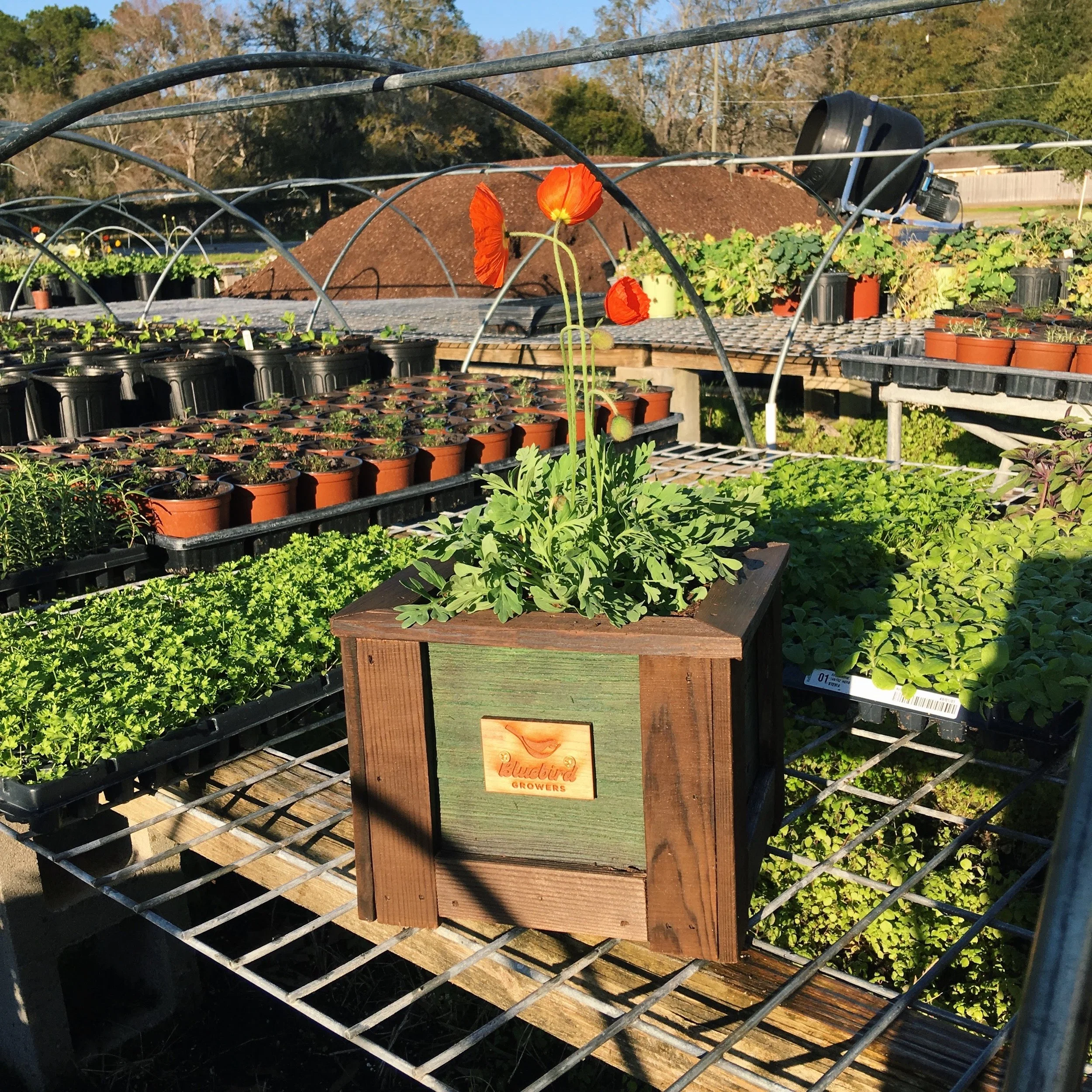
Nick started Bluebird Growers in 2014. It was a small working farm on the Northside in Jacksonville, Florida. He was growing and selling herbs, flowers and plants at markets and directly to wholesalers and grocers. He wasn’t offering landscaping services then, but the ethos was the same as it is today: a love for horticulture and a deep care for the living world.
Nicks’ first logo in 2014 made by Buddy Hale
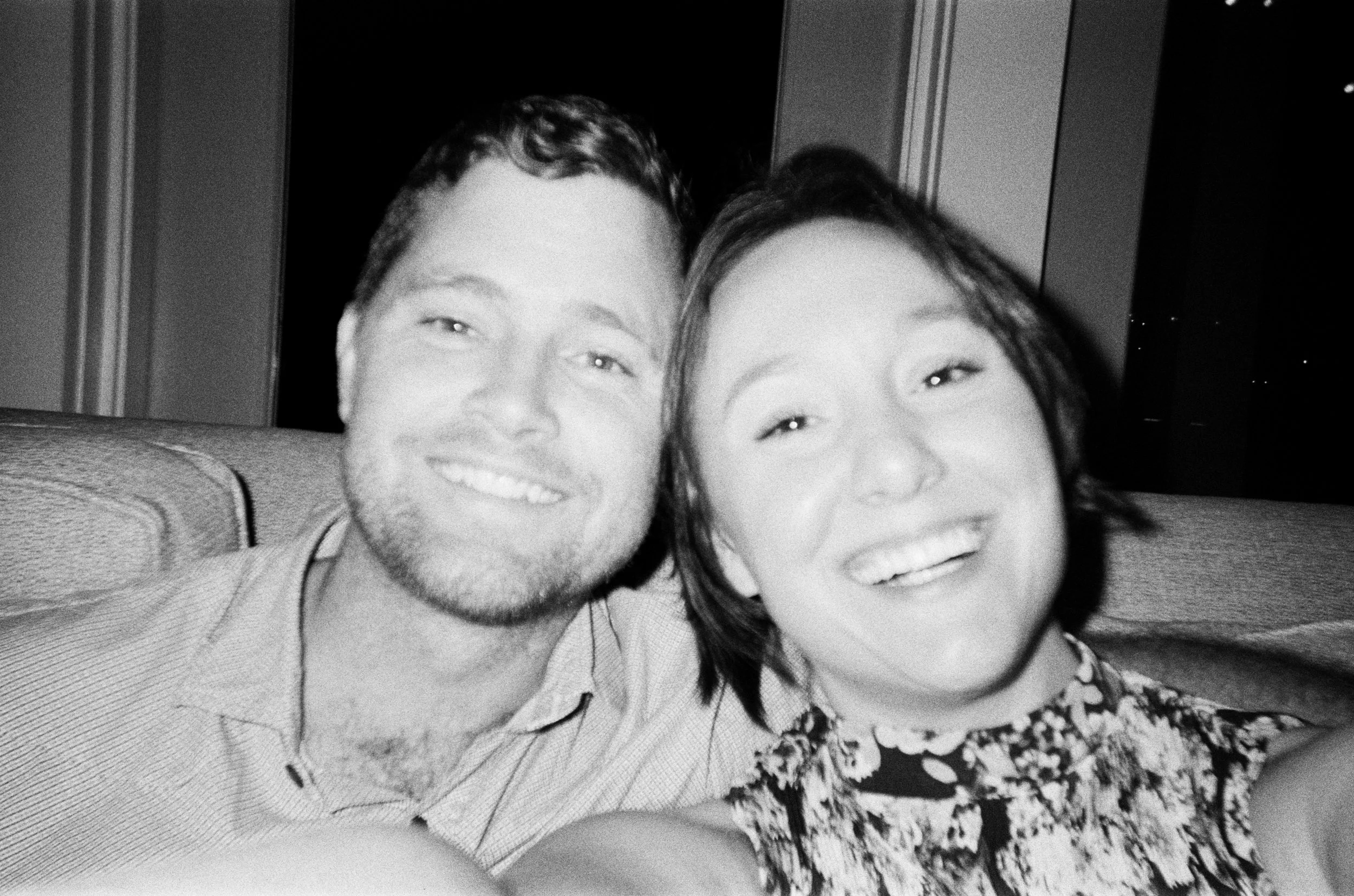
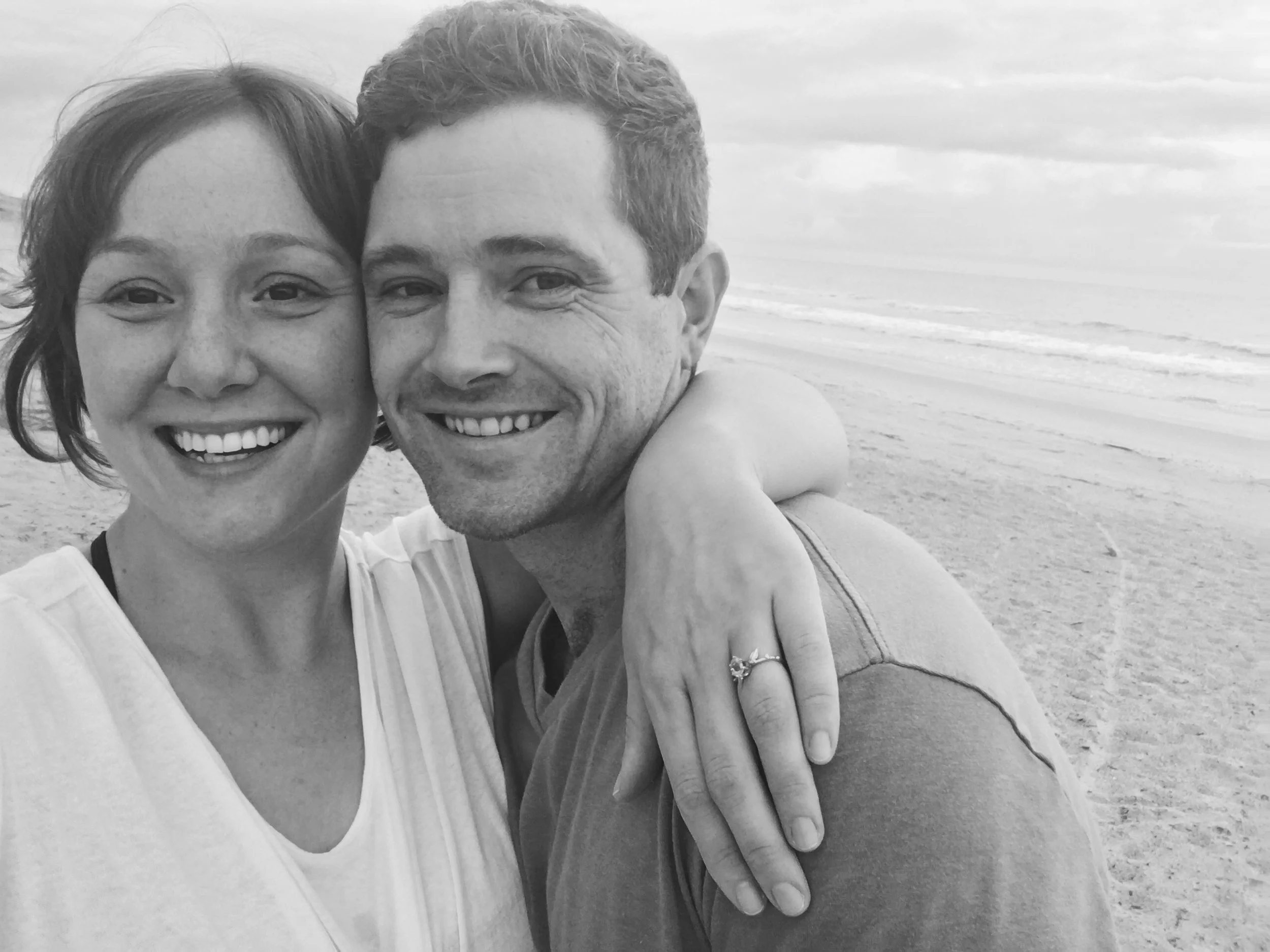
Fun fact: Nick and I met at a farmers market in Murray Hill in 2016. :)
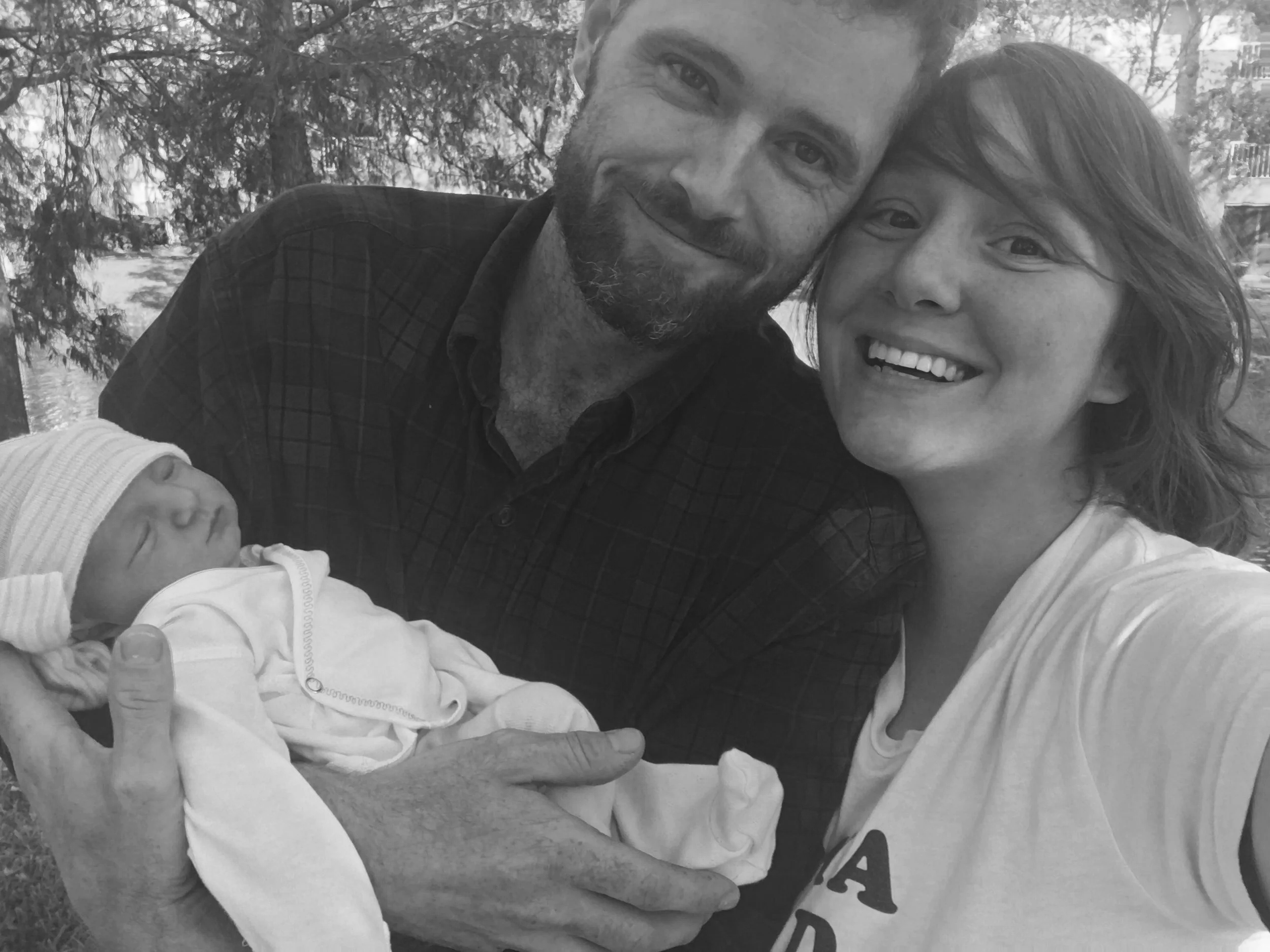
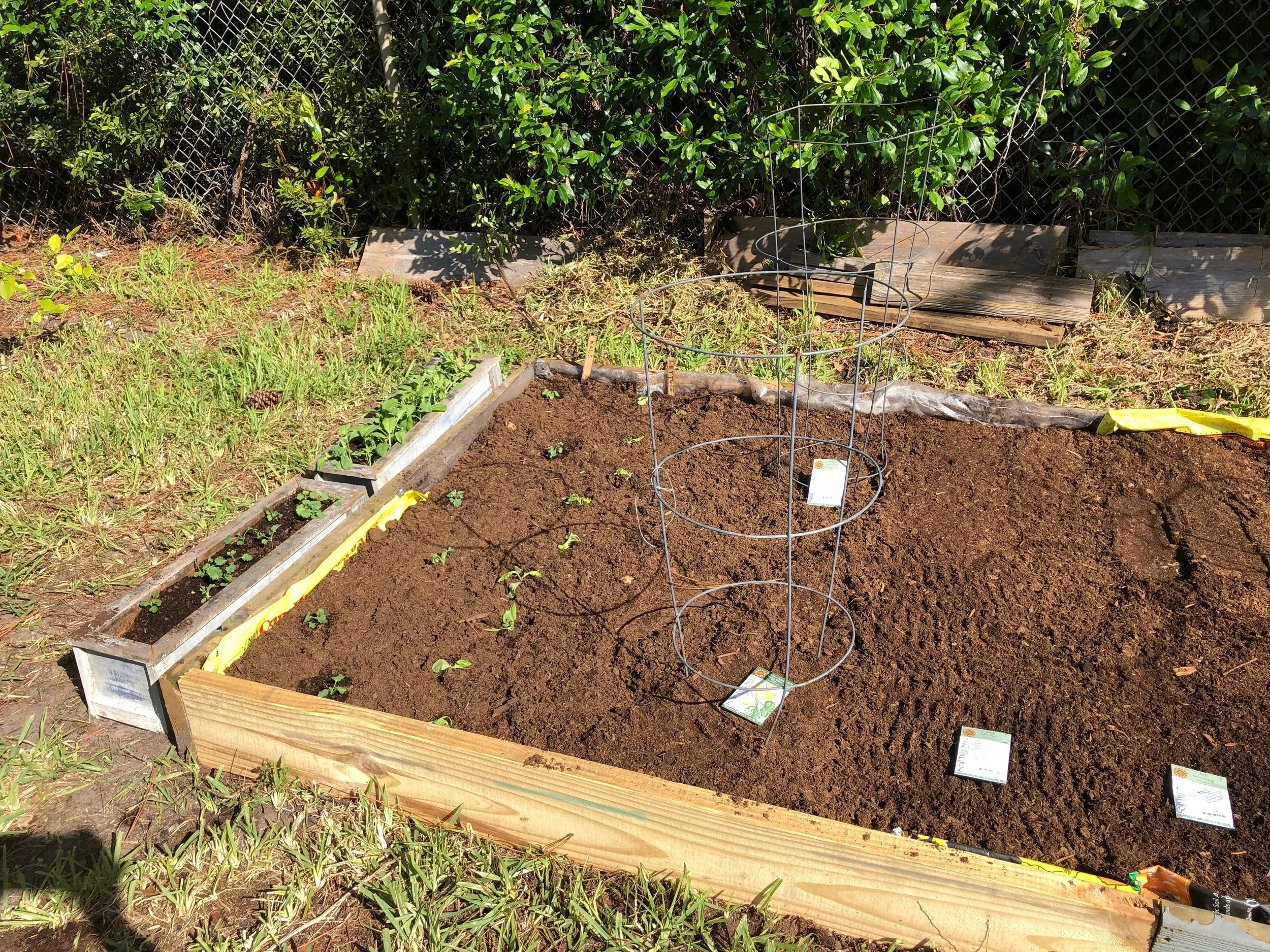
By 2017, when we welcomed our daughter Clementine into the world, we were living in a small one-bedroom condo with a loft in Ponte Vedra Beach. We had moved on from the farm to focus on our family and continue to grow my photography business that I had started in 2010, but we still wanted somewhere to put our hands in the soil. So we built a little garden bed from reclaimed wood, right there in the condo community.
It was a modest, slightly haphazard thing, and we loved it. My favorites were the orange cherry tomatoes, sweet and warm straight from the vine. Amid the all-consuming days of raising young children, that little bed gave us something to anticipate. Whatever else was changing, we were still growing things.
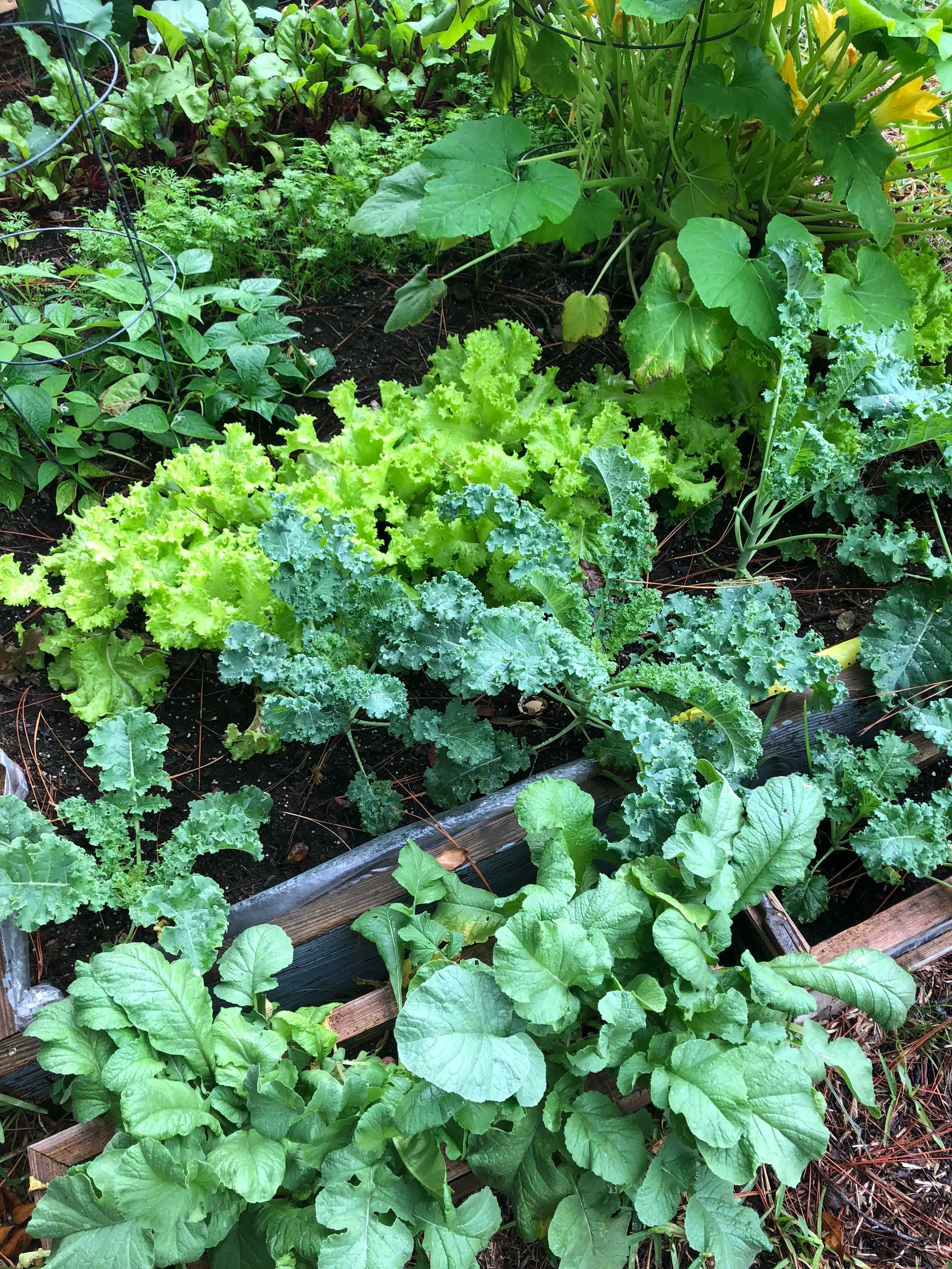
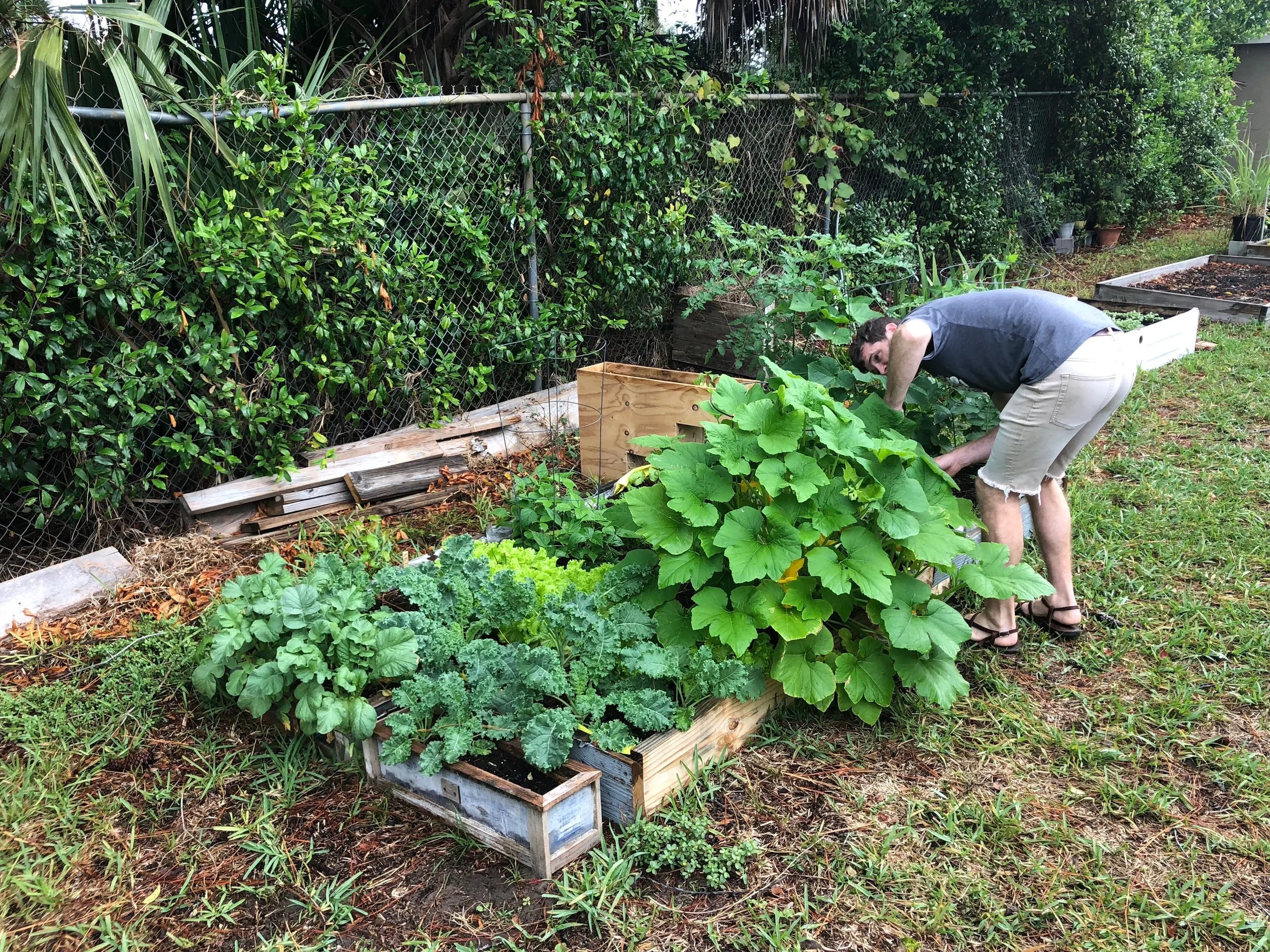
In 2019, Nick began working for another landscape company, installing gardens for hourly pay. We also moved into a little carriage house in San Marco. Can’t you tell we’re a little nomadic? It was an old, very small studio apartment above a garage, but down below, there was room for a garden. Naturally, we made one. With dirt, bricks, and plenty of physical labor, we built a garden and added a fence, transforming that little patch of ground into something that felt like ours. There’s a particular satisfaction in making something beautiful from such humble materials. We stayed a little less than a year, but when we left, our landlord inherited a garden we were proud to leave behind.
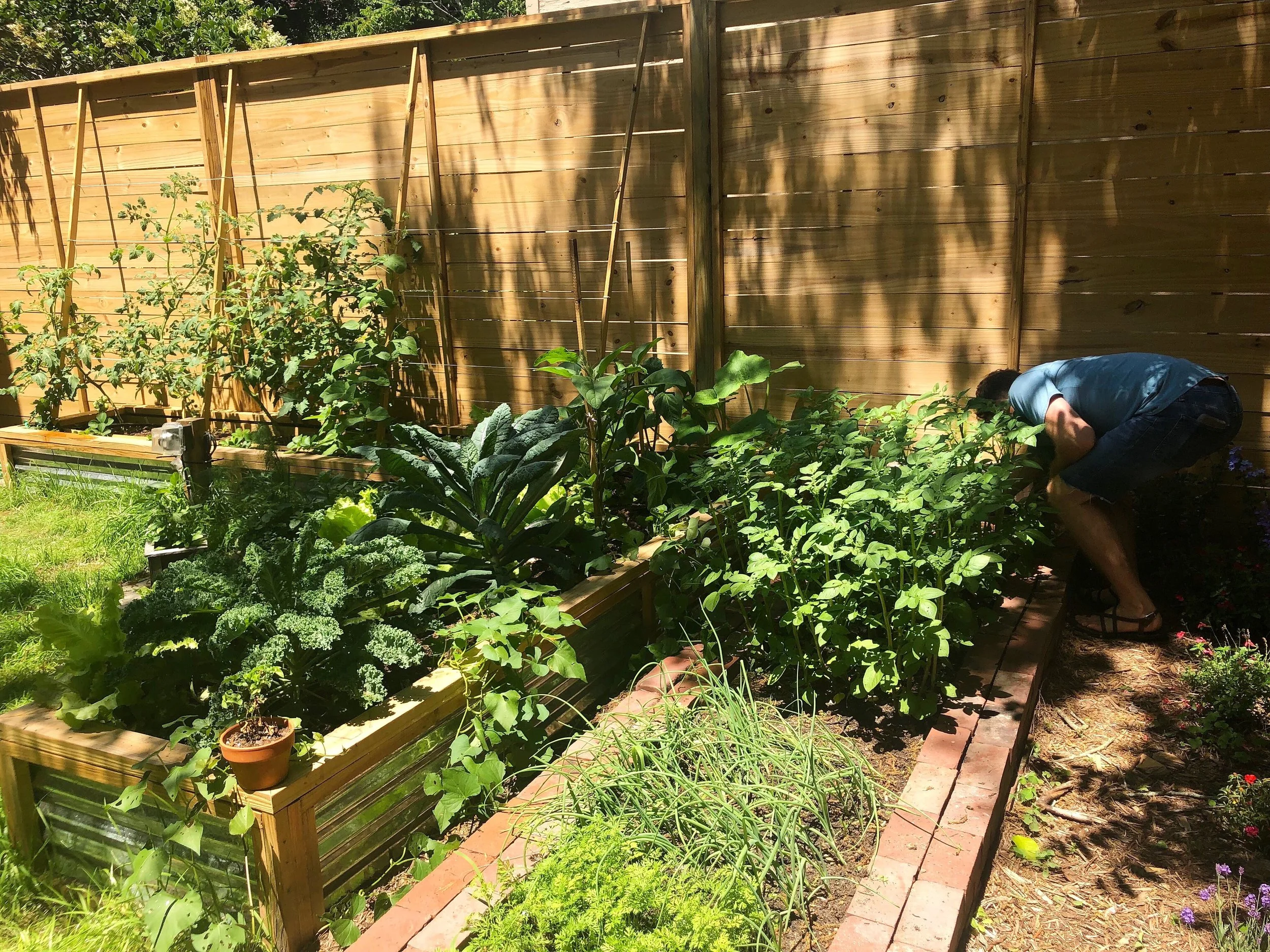
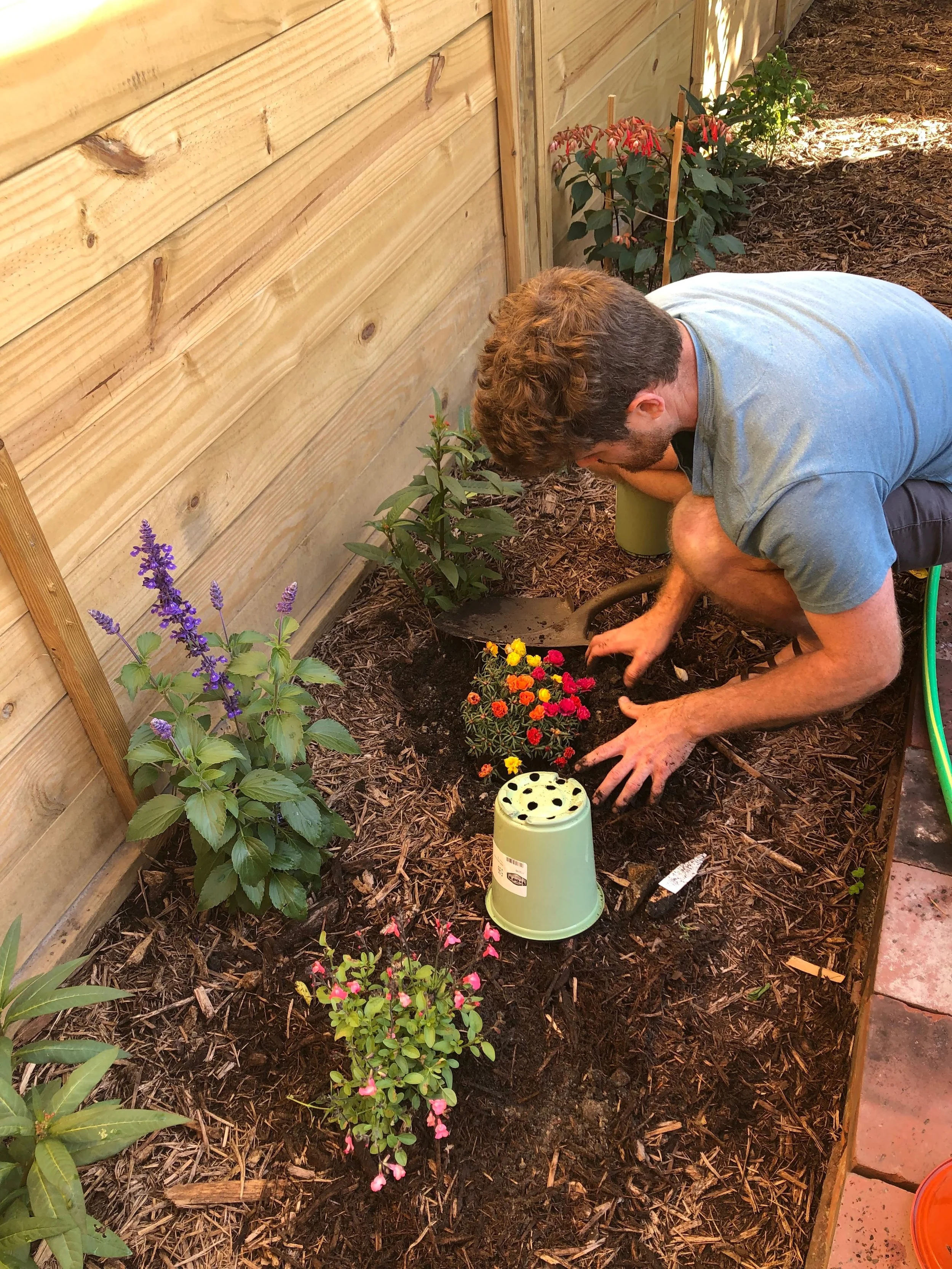
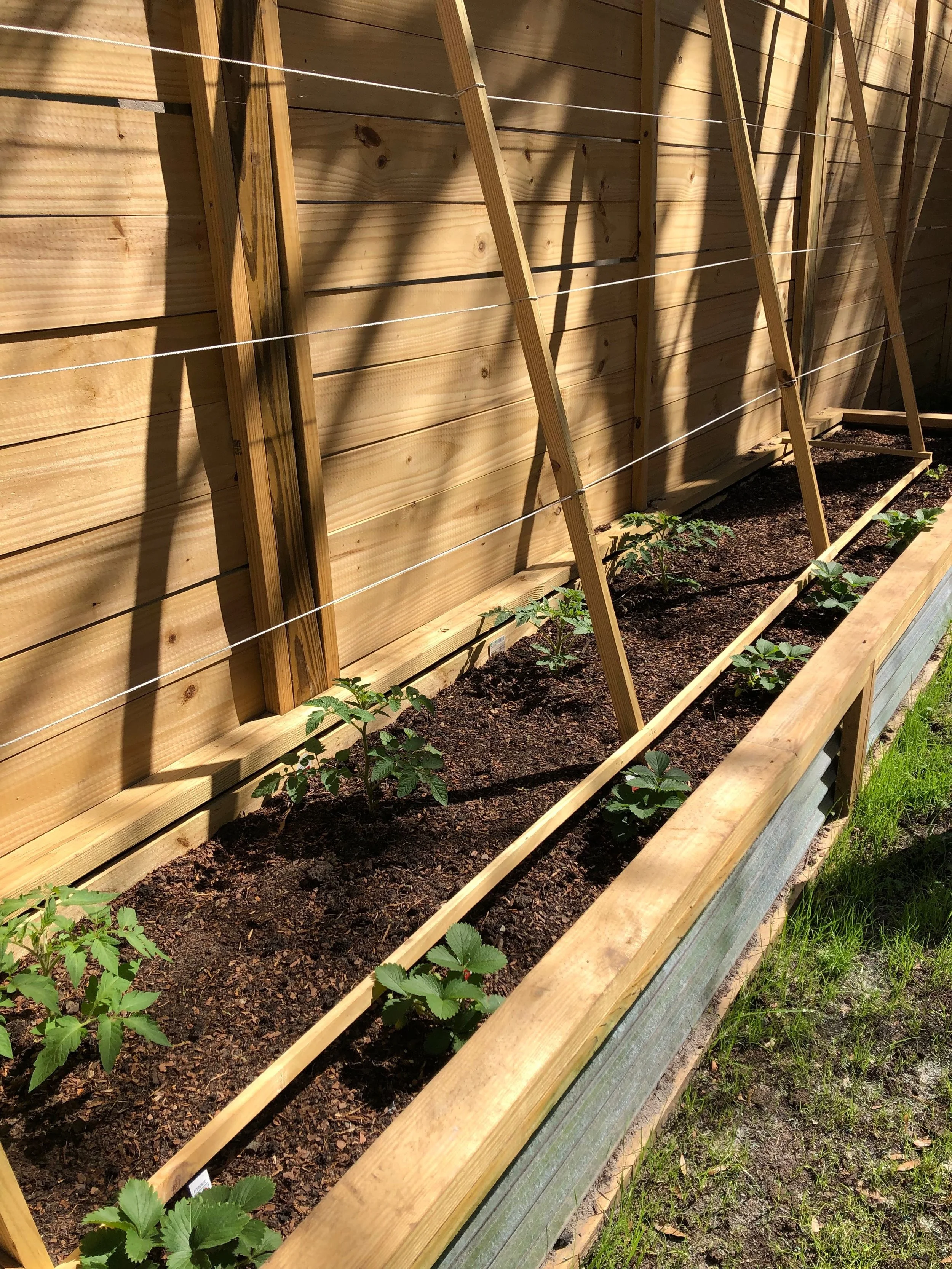
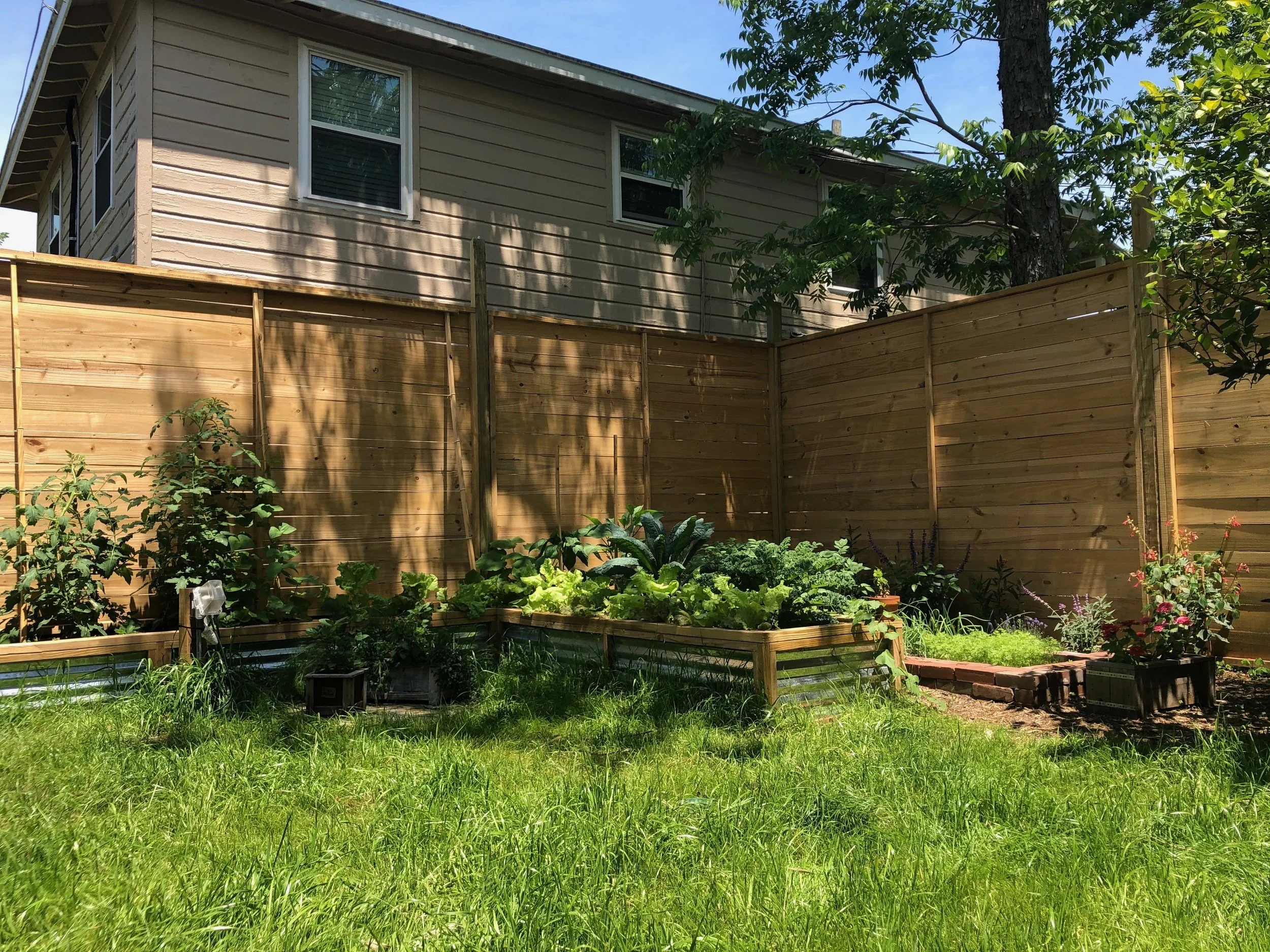
Another temporary home, another small, good garden. Long before we had those words for it, we were discovering how much care we could put into a place without needing to stay forever. Meanwhile, Nick’s installation work in all of our homes was giving his horticultural knowledge a new dimension. The days were gritty and exhausting, but he was learning how to carry a garden from an idea through the physical work of making it. Between the landscapes he installed and the gardens we kept creating at home, the next chapter of Bluebird Growers was beginning to take shape.
For two years, his days were long, physically demanding, and often exhausting. But the work revealed another dimension of his abilities. His horticultural knowledge found a practical expression in the labor of shaping a landscape: preparing the ground, placing the plants, and bringing a design into being. Gradually, we began to imagine what those skills might mean for the future of Bluebird Growers.

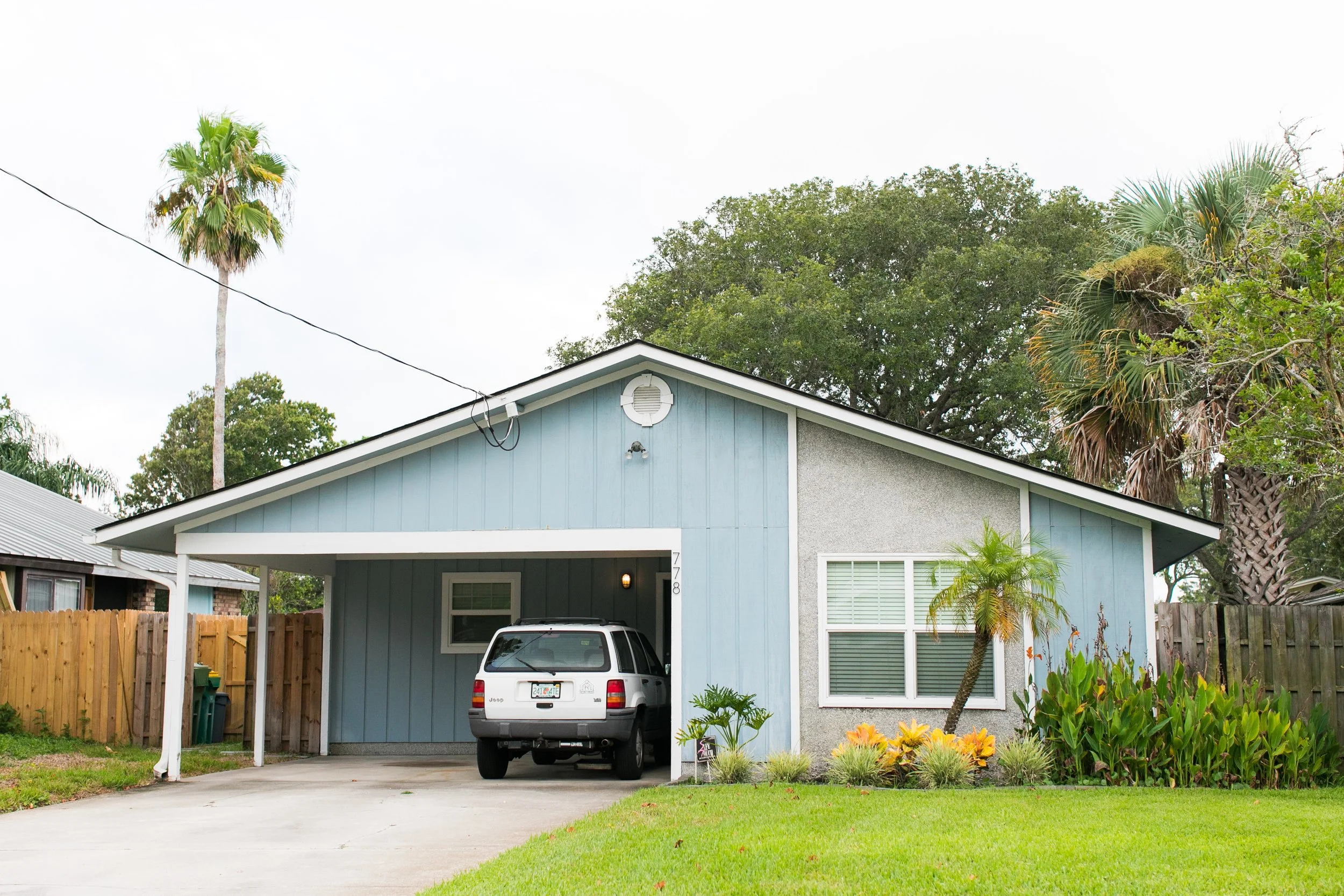
In 2020, we moved to Jacksonville Beach and made a backyard garden we adored. As the pandemic settled in and the familiar rhythms of life fell away, our conversations became full of possibility. We stayed up late dreaming about a business that could bring our interests together. How could art and horticulture inhabit the same work? What could we build with what we already knew and loved?
We weren’t particularly nervous. We were excited.
I had been transitioning my photography business toward film-only sessions, and after reading Amy Merrick’s On Flowers, I felt inspired to load a roll of film into my camera and photograph Nick’s gardens. There was a natural affinity between his work and mine: the plants he grew, the photographs I made, and the stories unfolding around them. We made a good team, sustained by enthusiasm and a little blind faith.
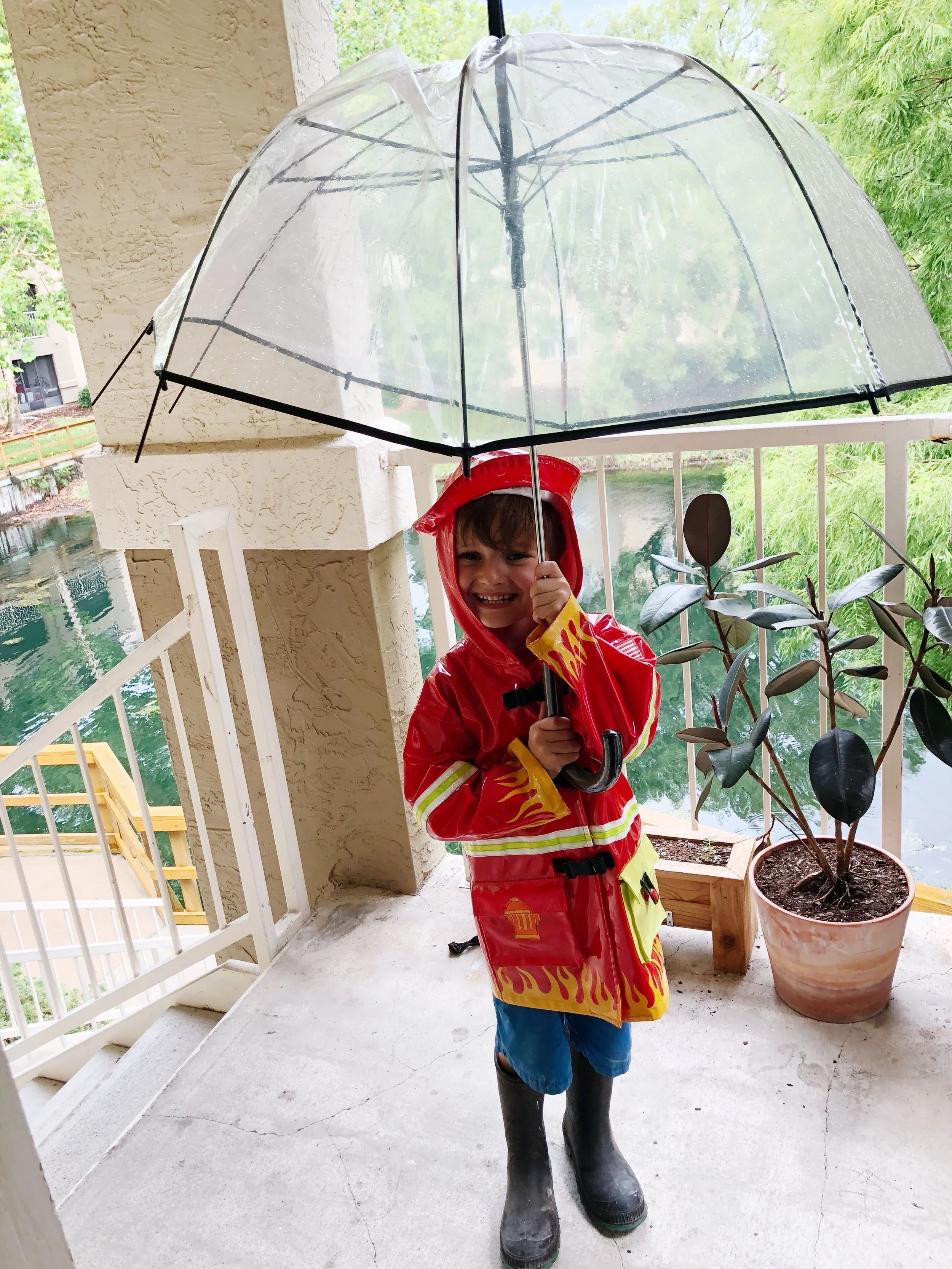
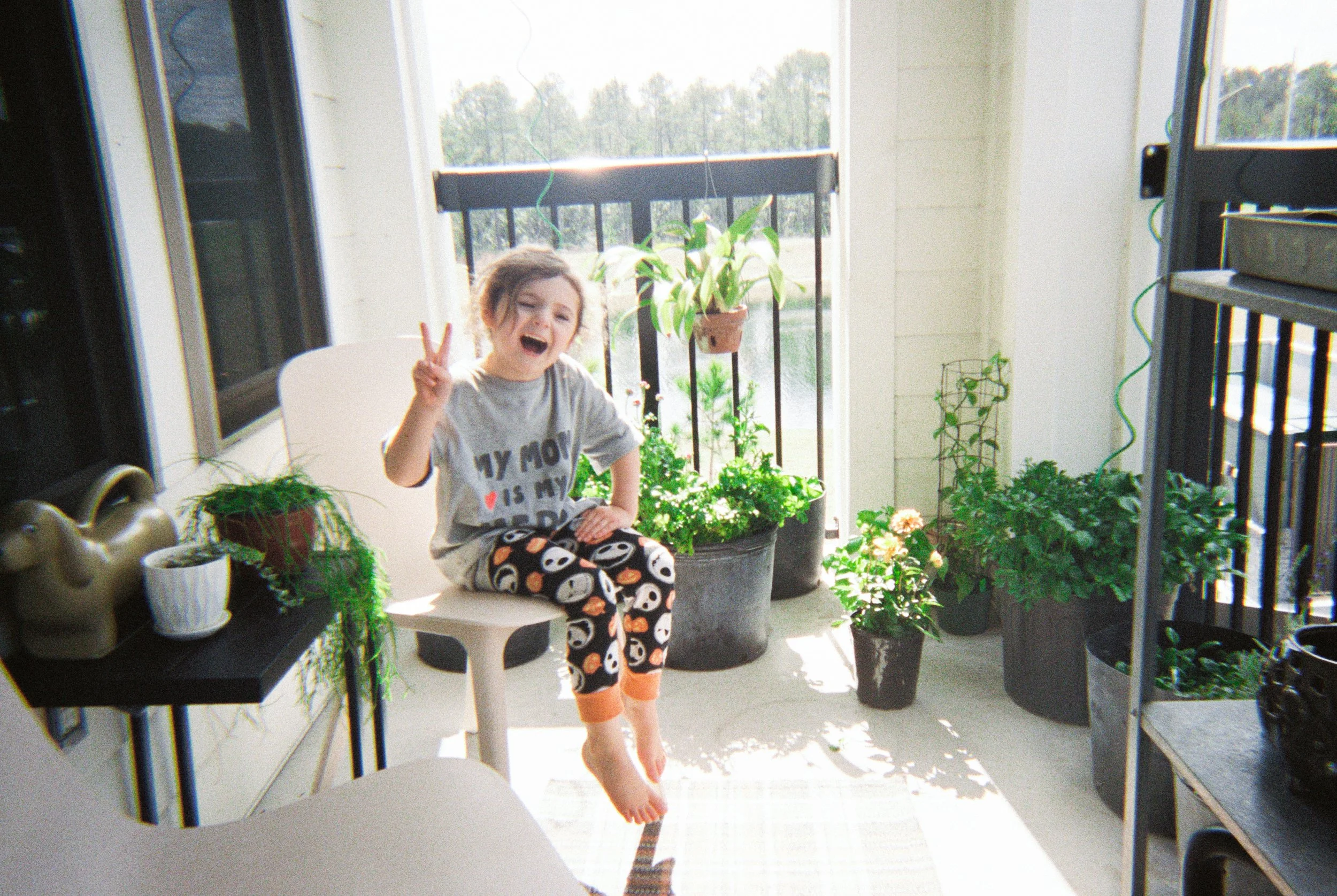
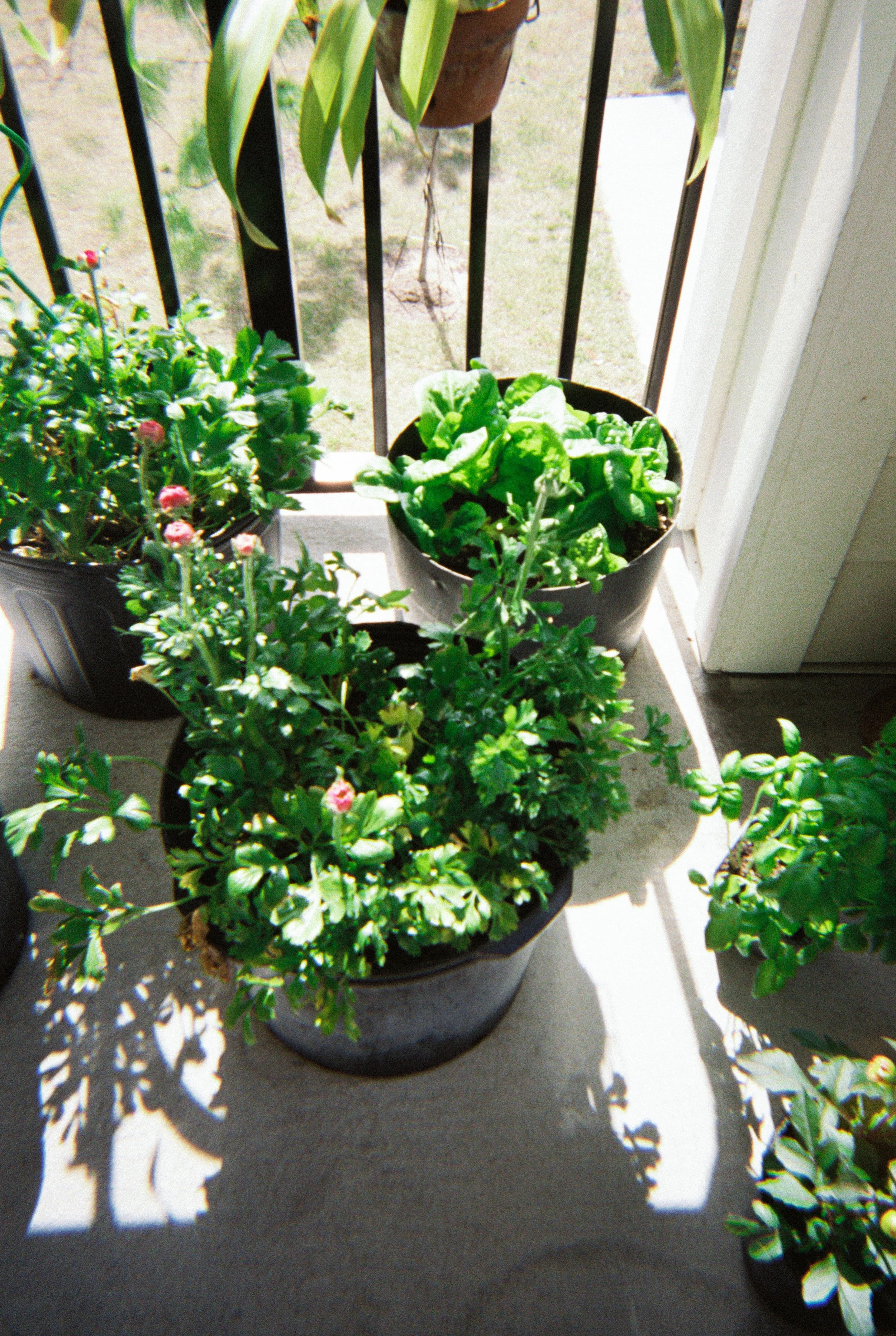
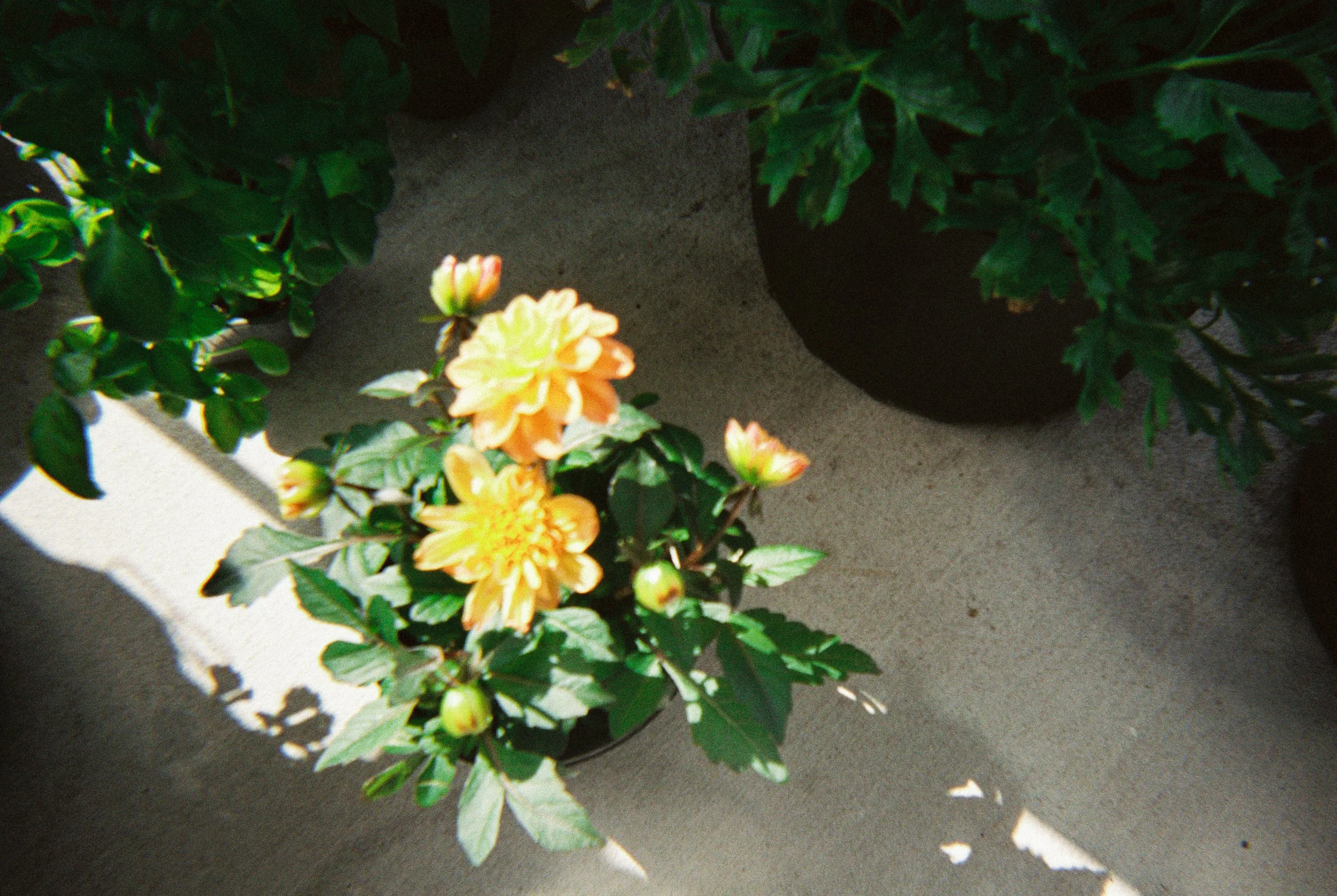
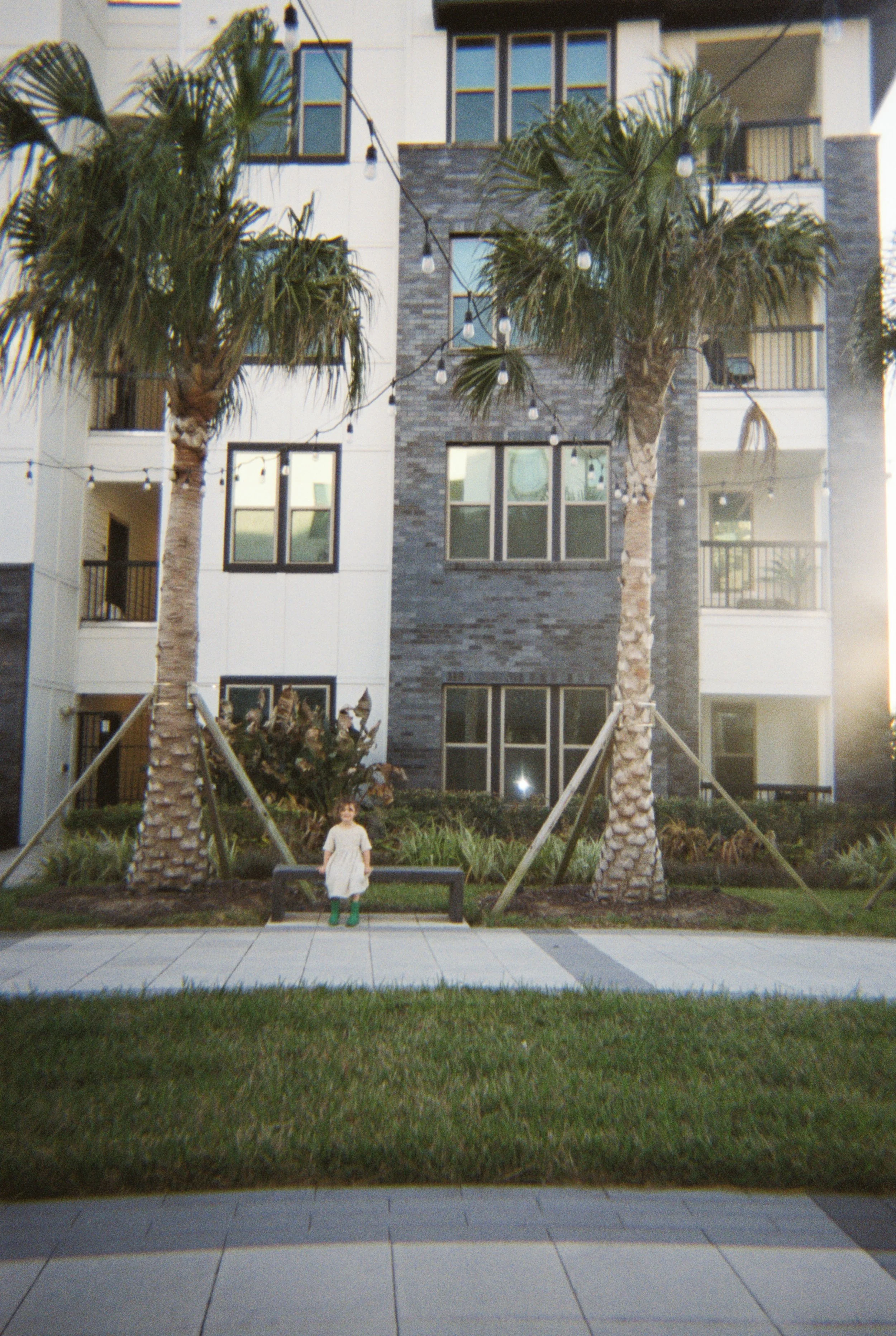
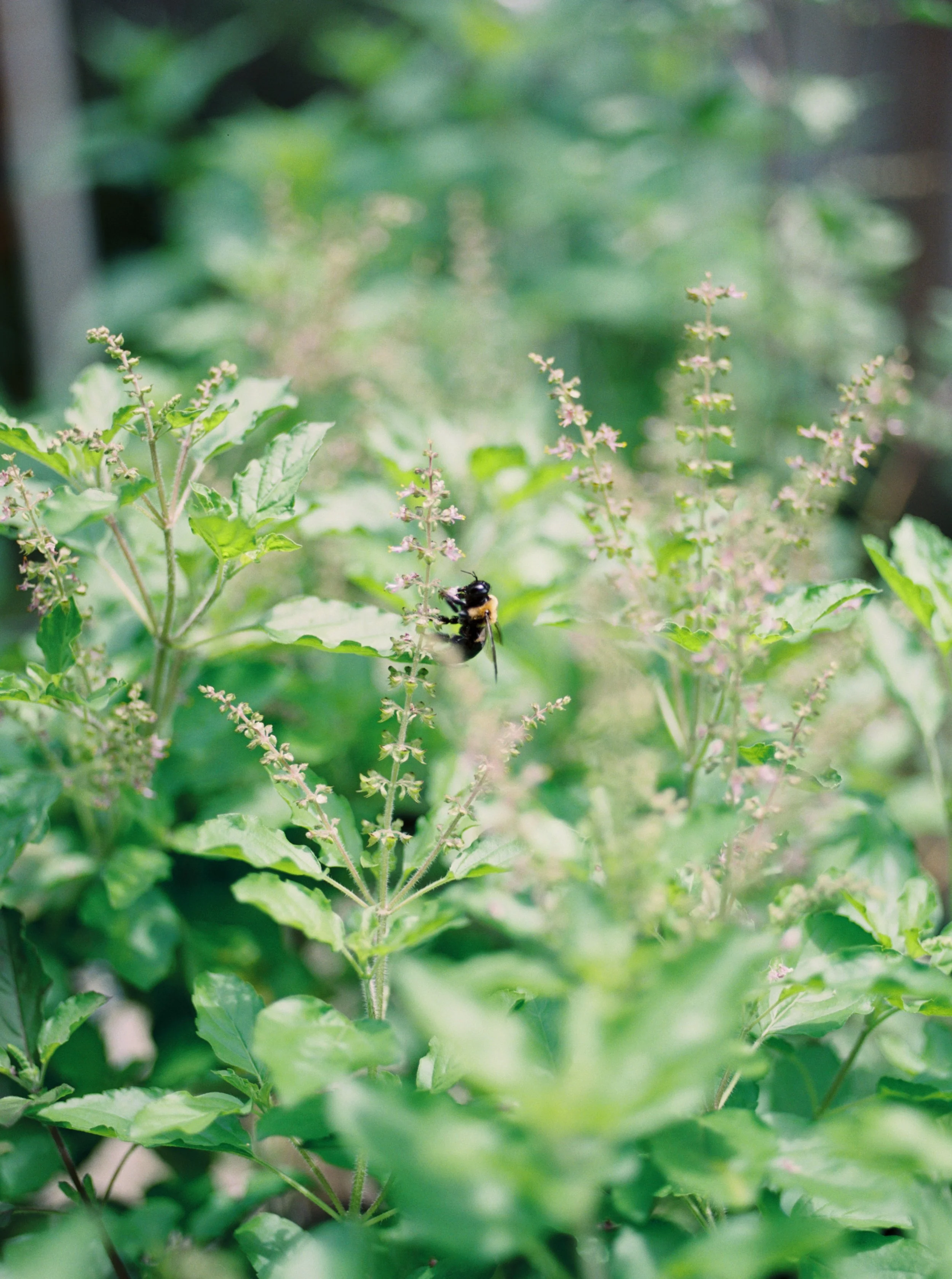
By 2021, we were ready to begin. To save as much as possible, we moved into a more affordable apartment off the highway with our two young children. We had less space, but we had a balcony—and soon, scarcely an inch of it went unused. We grew tomatoes, ranunculus, beans, lettuce, and herbs. Flowers opened outside our door. There was food to pick and always something to water. In an otherwise unremarkable apartment complex, we had made a small, exuberant garden. That balcony became an education in resourcefulness. It showed us how much pleasure and abundance could exist within a few square feet, and how profoundly a garden could change our experience of a place. While we worked toward something new, it helped us feel settled where we were.
We launched the landscaping chapter of Bluebird Growers in mid-2021 and threw ourselves into the work. We partnered with local businesses, taught lots of workshops with The Heirloom Yard, designed and installed gardens, made film photographs, attended markets, and talked to anyone who would listen about ecological landscaping. We had so much we wanted to share, and very little inclination to keep it to ourselves.
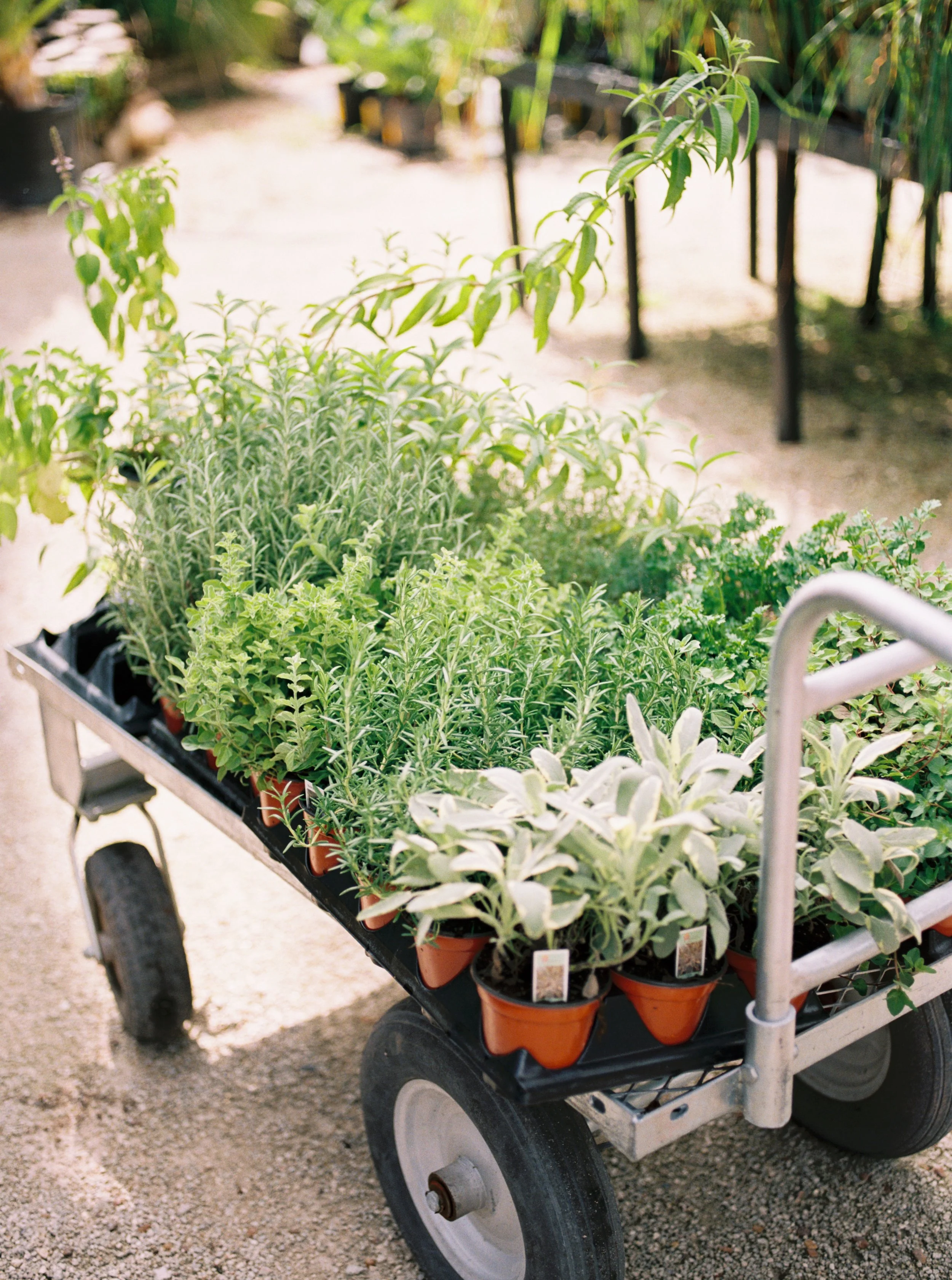
As Bluebird expanded, we moved again. In 2022, we settled into a slightly larger townhouse with a lovely green space out back. After tending a balcony full of pots, having room to spread out felt luxurious. We installed corten steel beds from Veradek and filled them with vegetables, herbs, and flowers. Their warm, weathered color was beautiful against the green. Beyond our garden lay a vast nature preserve, and hummingbirds visited daily. We finally had a hose instead of just a watering can, a development that felt disproportionately thrilling. I still remember that garden with such affection.
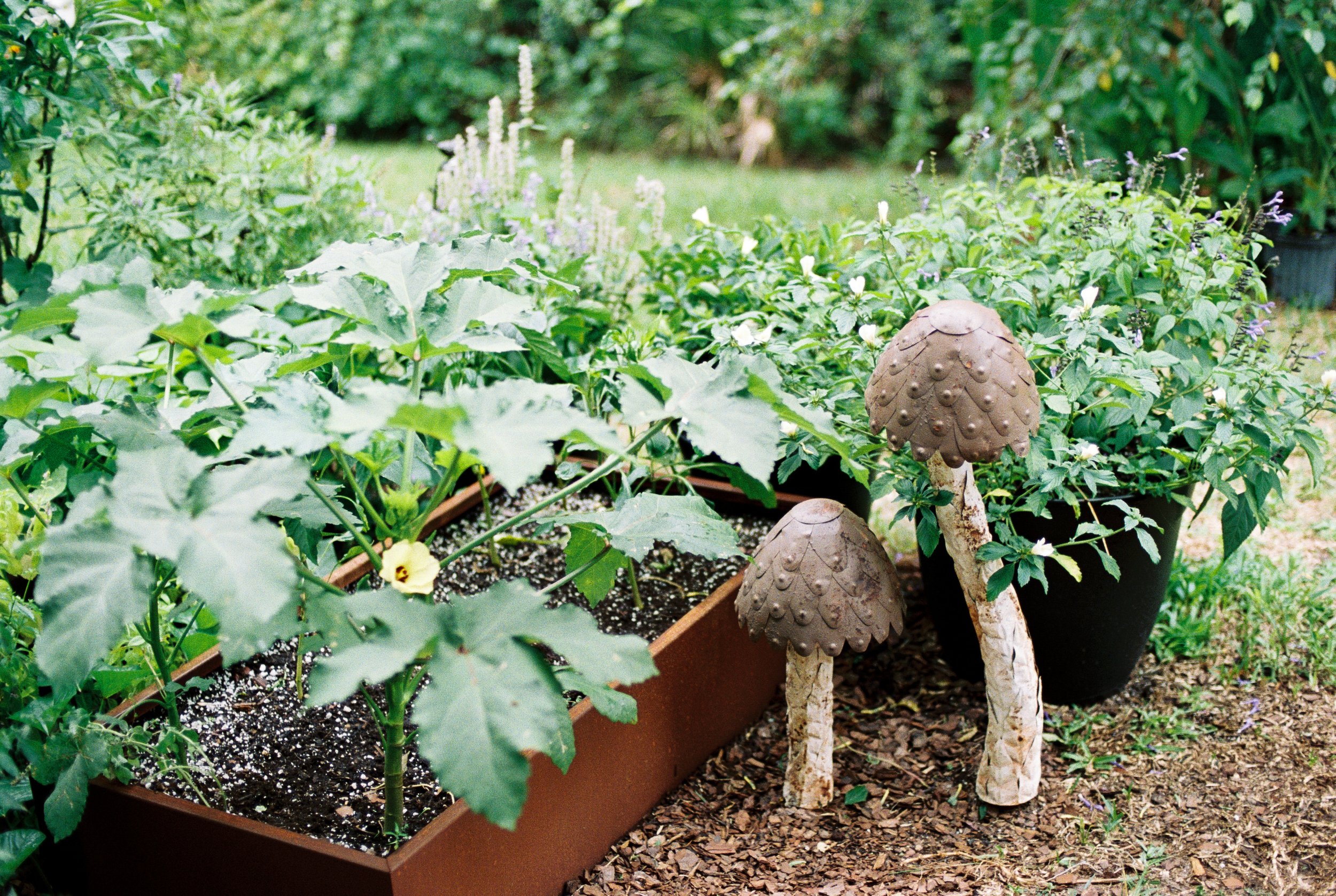
By then, we had learned to garden within the peculiar constraints of several rented homes. Each place asked something different of us. We learned to notice the light, work with the available space, and make room for the things we loved without knowing how long we would stay.
And boy, did we grow.

The ideas we had talked about late at night became our everyday work. We met more people, made more gardens, and watched Bluebird gather momentum. As people emerged from the pandemic, many were ready to reconsider their outdoor spaces. After spending so much time at home, they wanted their surroundings to feel more beautiful, more alive. We were thrilled to help.
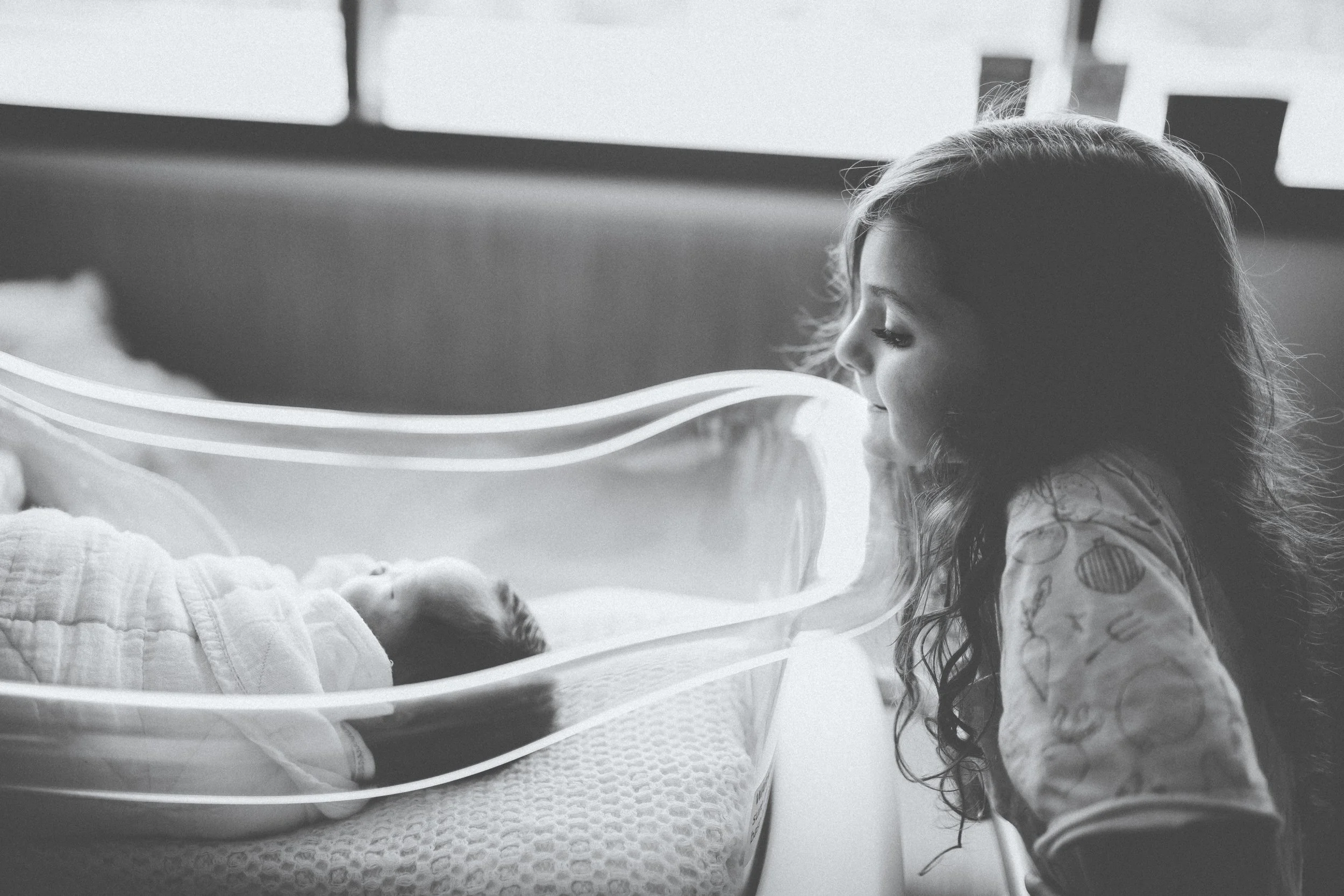
Then, in 2023, life surprised us again. We welcomed our daughter Marigold and moved into a rental home in St. Johns. We were suddenly a family of five. Henry and Clementine became older siblings to a tiny new person, and Nick and I returned to the tender, consuming days of caring for a newborn while continuing to run a growing business.
Looking back, I can trace those years through the gardens we made. I remember what we were growing by how old the children were, and vice versa. The orange cherry tomatoes belong to one season of our family’s life; the balcony ranunculus belong to another.
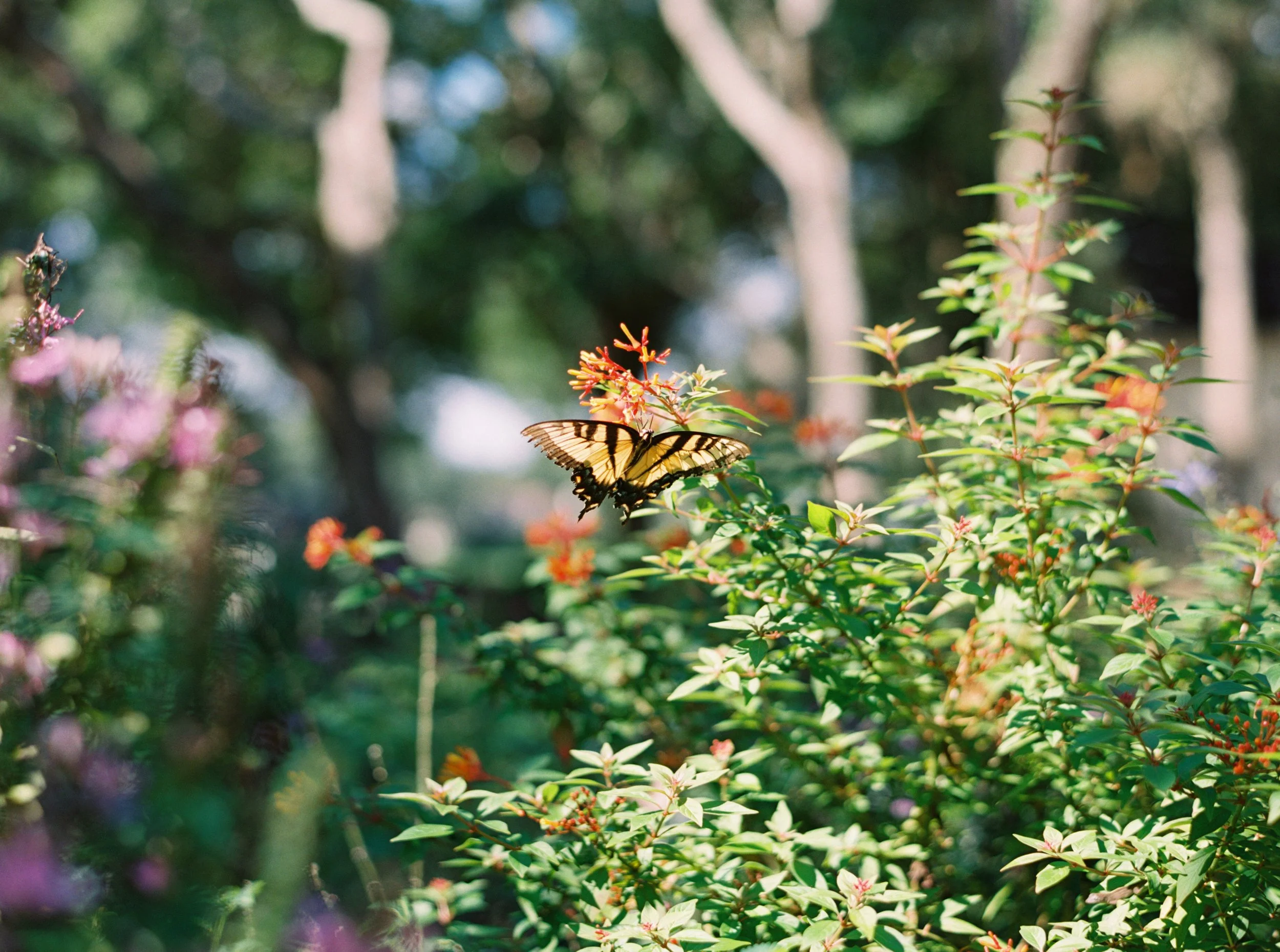
We never knew exactly how long we would stay, but we planted anyway. There was pleasure to be had in the meantime. The children could pick something, watch something open, or discover a creature among the leaves. Those gardens became part of our family’s memory, as inseparable from each home as the rooms we slept in.
And here we are today.
It’s 2026, and we live in a little suburban rental home in St. Johns County, surrounded by sod, beside a retention pond and a lot of HOA rules (and some violations too, eck!) We have a high-schooler, a third grader, and an adorable, albeit precocious, three-year-old. There are art projects in various stages of completion, books strewn about, and children who seem to occupy more space with every passing day. We’ve been here for three years now, which, given our history, is practically a lifetime! And naturally, we couldn’t leave the yard alone.
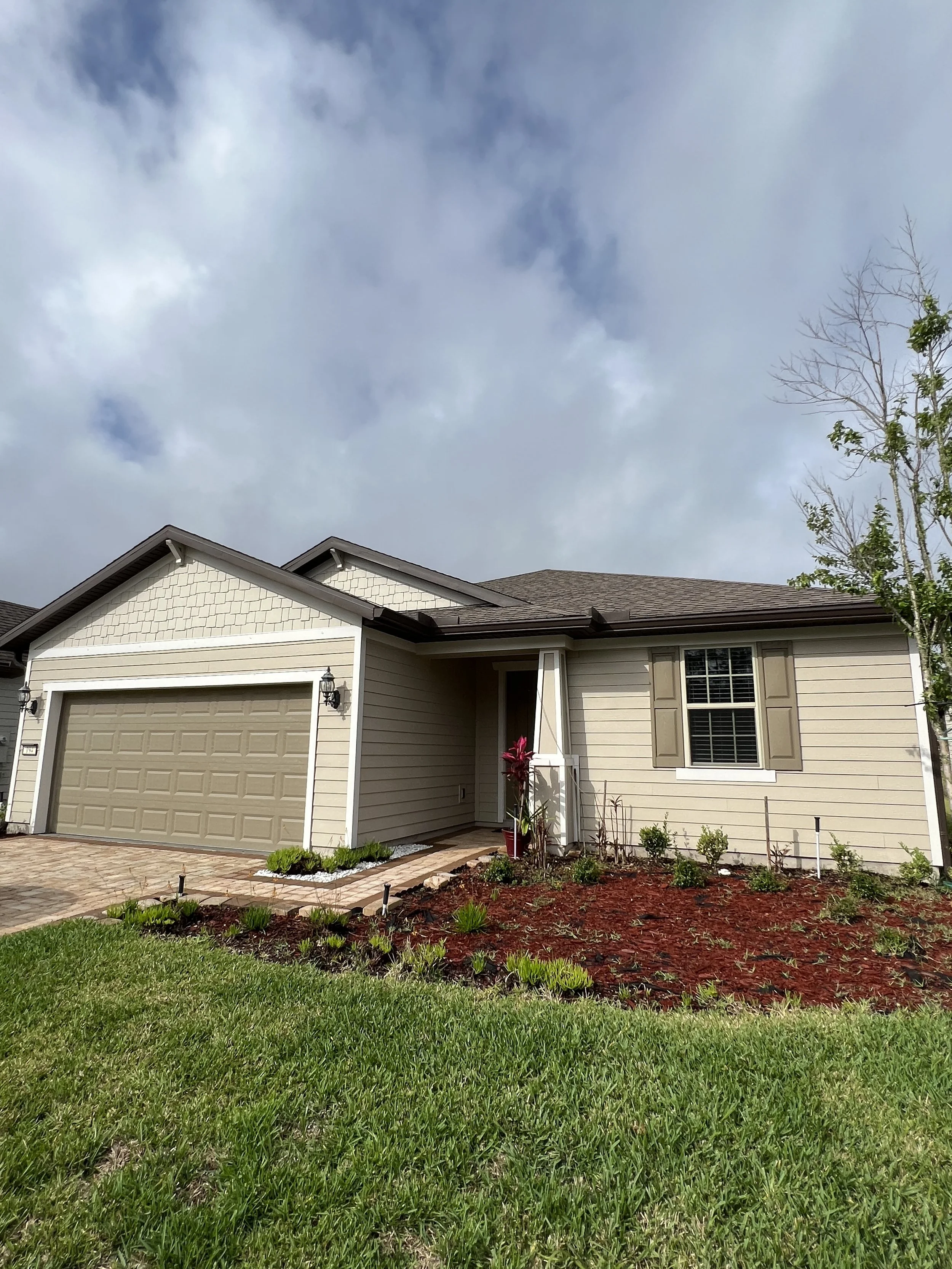
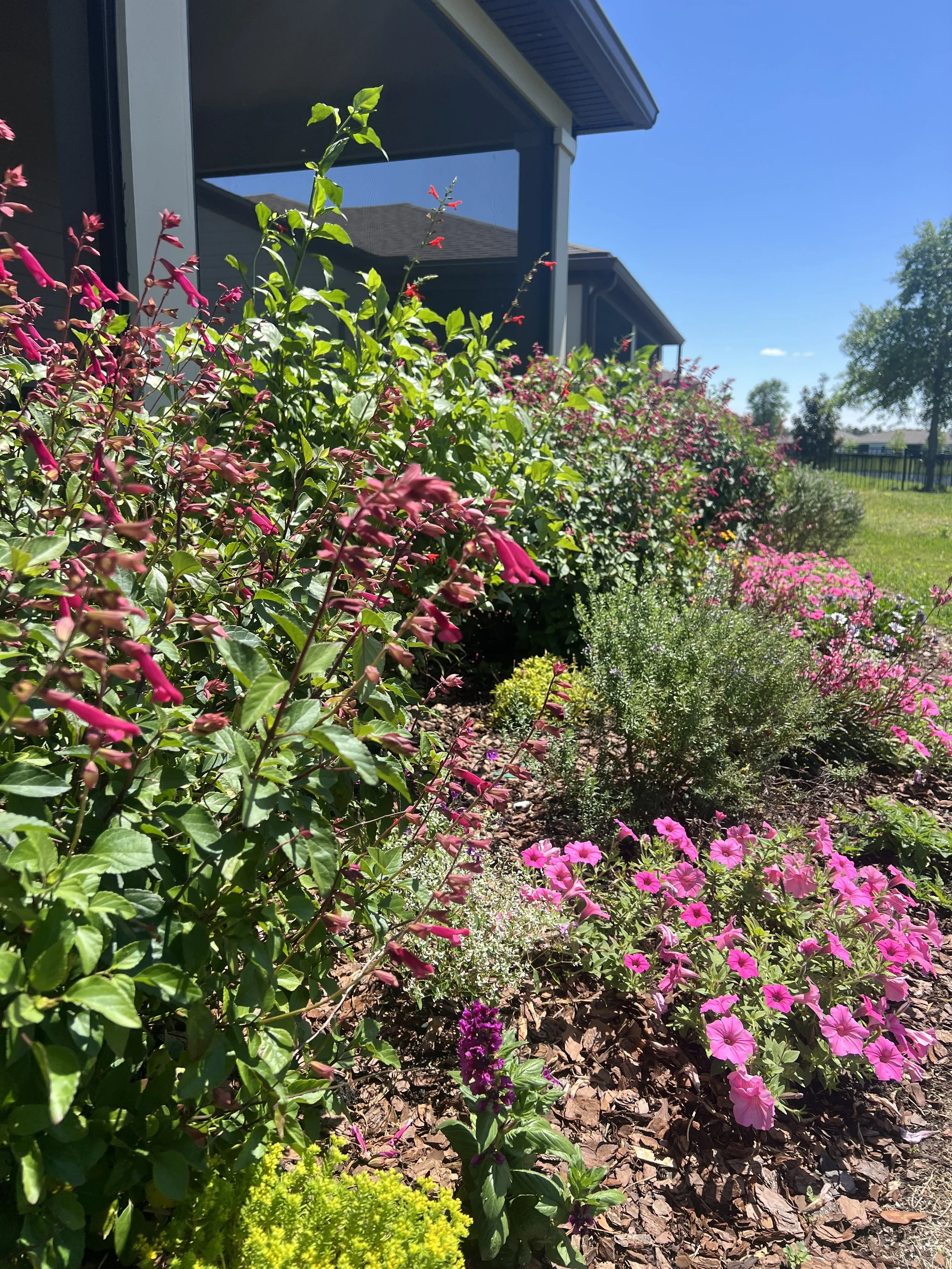
When we first moved in, we were greeted by a landscape familiar to just about anyone living in a newer Florida subdivision: lots of grass, red mulch (gulp!) and very little of the biodiversity that makes Florida such an extraordinary place to live. We are surrounded by houses, manicured lawns, and the familiar expectations of suburban life. But we saw an opportunity to create something a little different. Here take a look and see for yourself.
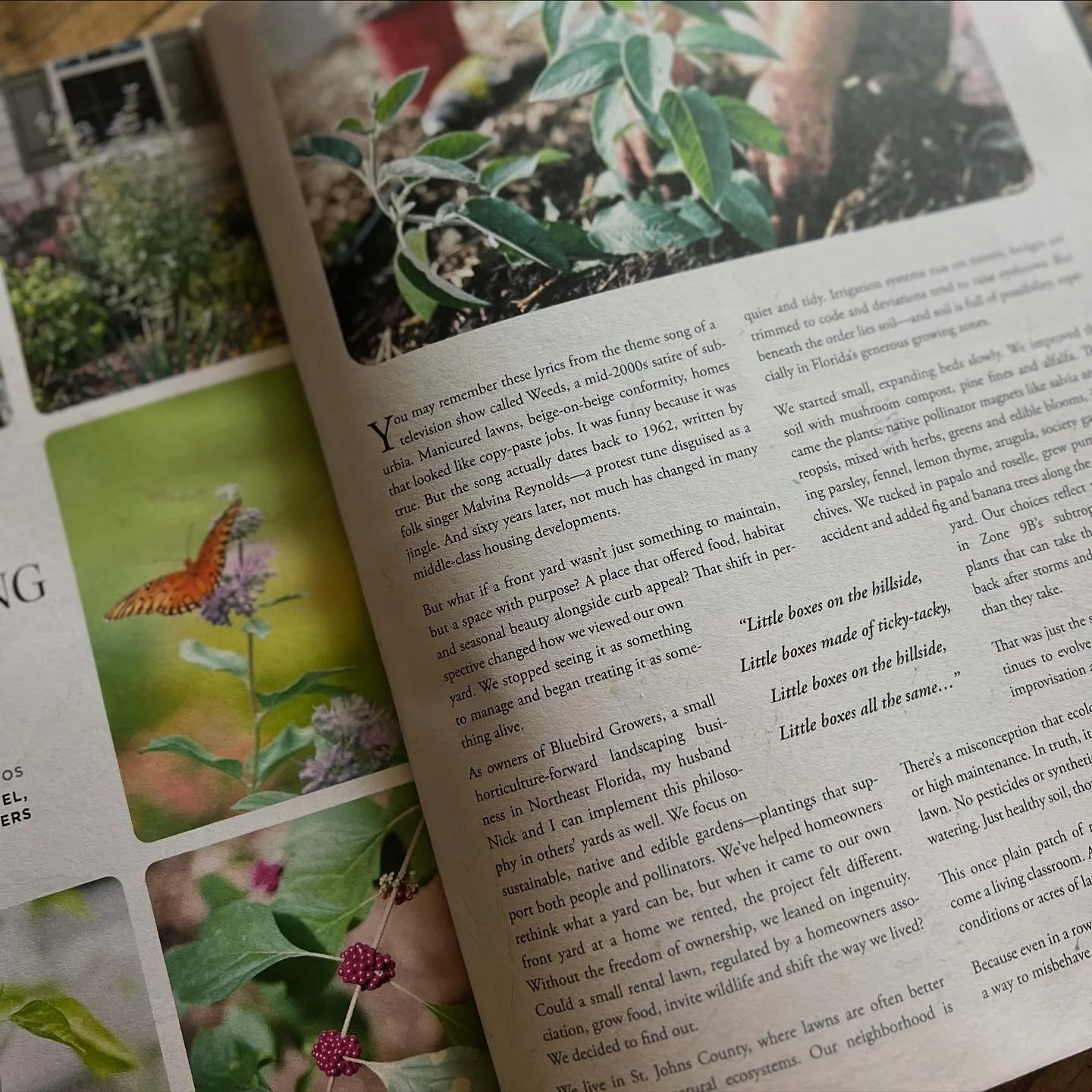
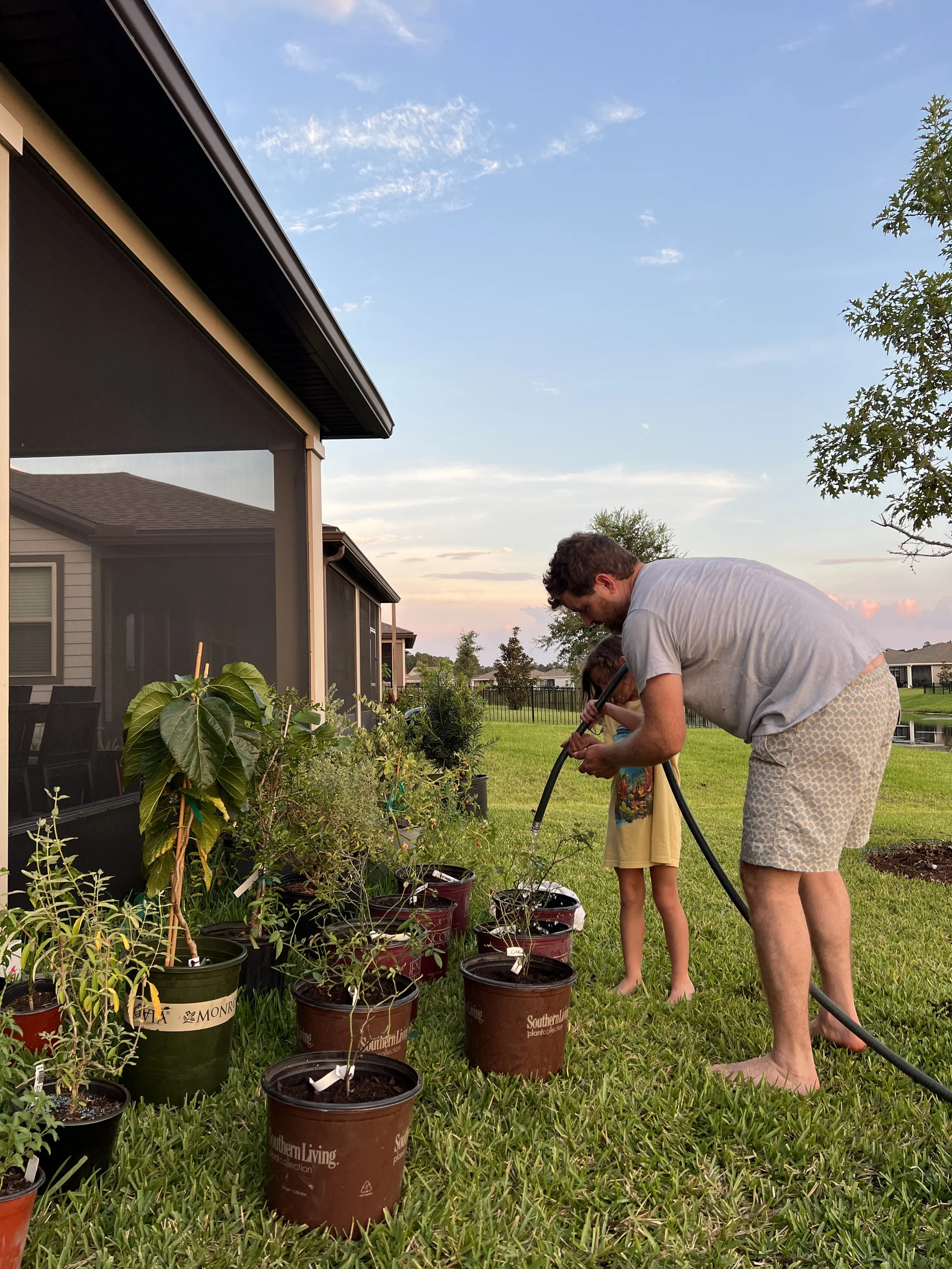
Over the last three years, we’ve slowly transformed portions of this ordinary rental property into a garden that feels much more like us. We’ve introduced native and Florida-friendly plants to create habitat for pollinators and bring more life into a landscape otherwise dominated by turfgrass. Some plants have thrived beautifully. Others have been less successful, but that’s gardening! There is always something new to learn. And we’ve done all of this as renters in a neighborhood with an HOA! That particular combination presents some interesting challenges. How do you create a landscape that supports wildlife and reflects your values while still respecting neighborhood guidelines? How do you make room for a more natural Florida landscape in a community that expects neatly manicured lawns? It turns out that these things don’t necessarily have to be at odds. Our little suburban gardening experiment even caught the attention of Edible Northeast Florida, which featured our approach to gardening within the constraints of an HOA community. We were thrilled to have the opportunity to share our experience because we hoped it might encourage other people to reconsider what their own yards could become. You don’t need acreage or an enormous landscaping budget to make a meaningful difference. Sometimes a small patch of ground is all you need.
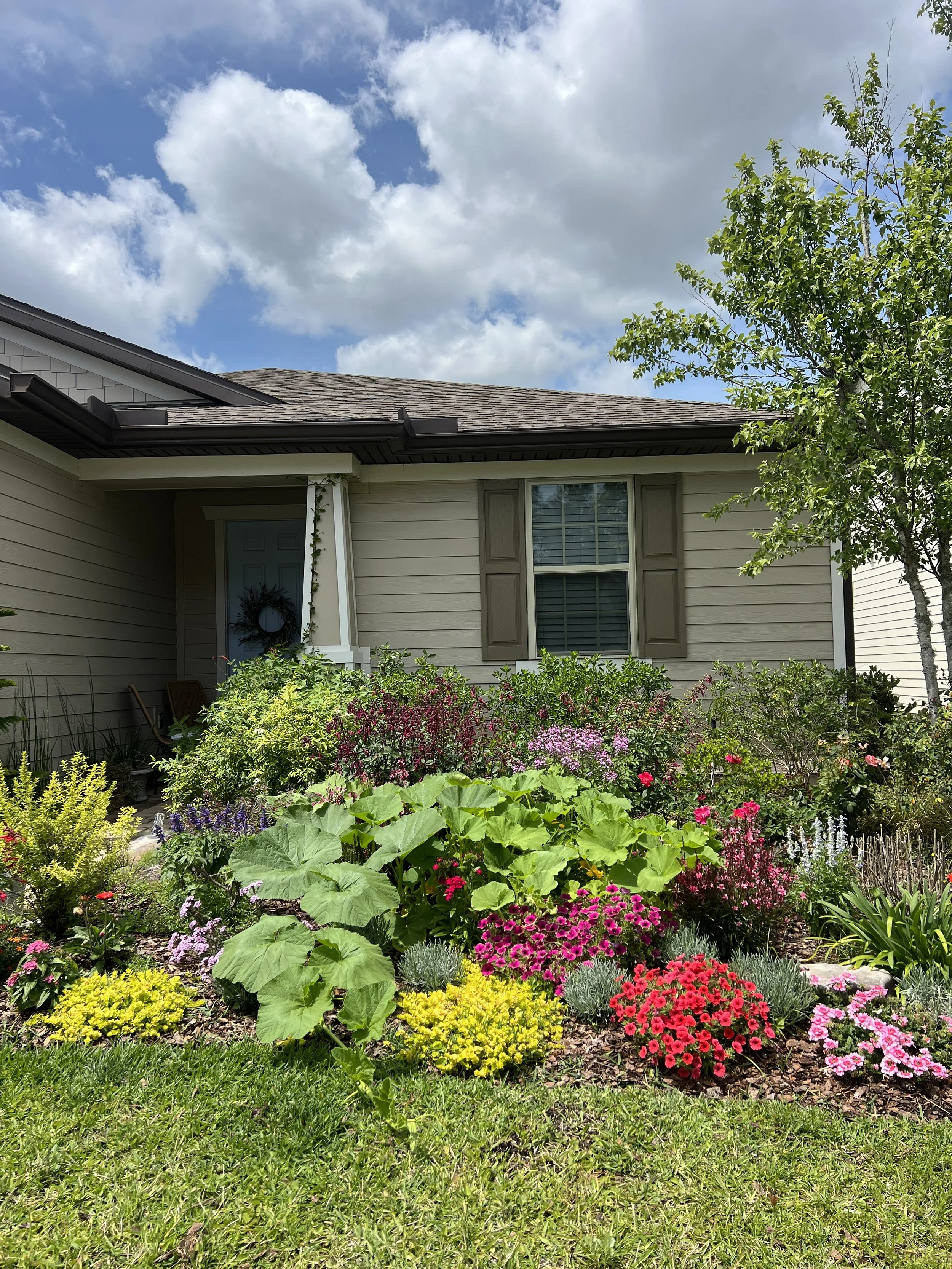
Of course, the garden has grown alongside our family. Marigold has spent practically her entire life in this house. Clementine has gone from a kindergartener to a third grader, and Henry, who was just five when we built that first little garden bed in Ponte Vedra, is now in high school. Somewhere between school drop-offs and the ordinary chaos of raising three children, we’ve continued finding time to dig holes and move plants around. There always seems to be another gardening project on the horizon. Writing this has made me appreciate the magnitude of these ordinary years. So much life has unfolded since that first reclaimed-wood bed. I still think about the balcony and the hummingbirds. I remember the little brick garden in San Marco and all the places we’ve called home along the way. None of those gardens were particularly grand. Some existed for only a year before we packed our belongings and moved again. But each one enriched the particular season of life we were living through.
Perhaps that’s what I’ve come to appreciate most about gardening. You don’t have to own the land or know exactly what the future holds to make something beautiful while you’re there. A garden doesn’t have to be permanent to be worthwhile.
Looking back, I can see how much these experiences have shaped our ideas about what Bluebird Growers should be. For ten years, we’ve made gardens wherever life happened to put us. We’ve worked with small spaces and modest budgets because, more often than not, those were the circumstances of our own lives. And we've found an enormous amount of satisfaction in what we were able to create.
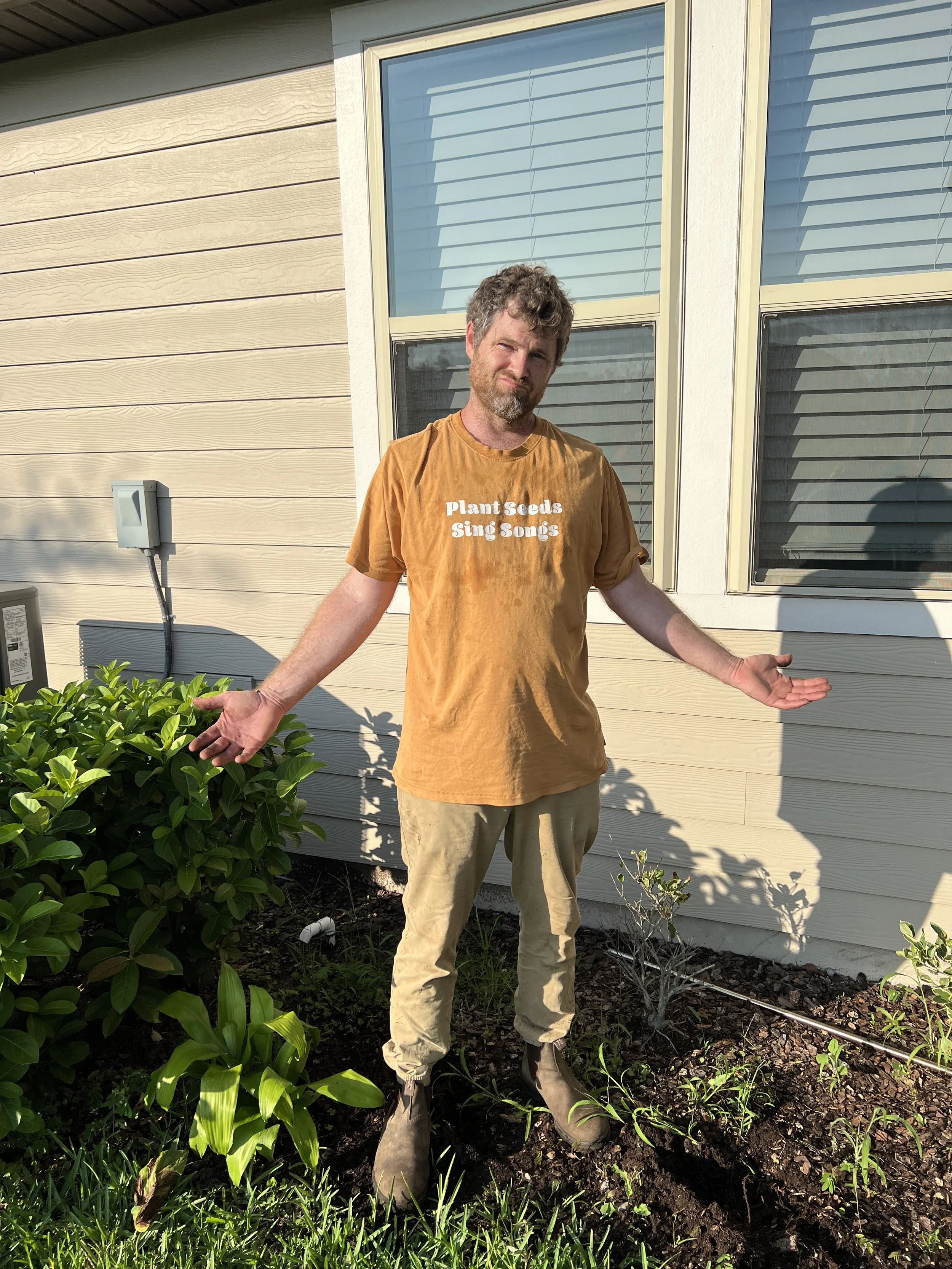
As we begin this next chapter of Bluebird, we want to bring that same philosophy to the work we do for others. We believe in small, good gardens. Gardens that are approachable and thoughtfully designed. Gardens that make everyday life a little richer and give people a reason to spend more time outside. A beautiful garden doesn't have to begin with an elaborate landscape plan or an enormous investment. Sometimes it begins with improving what is already there. Because if there’s one thing our rather nomadic family has learned, it’s that you can make a garden just about anywhere.
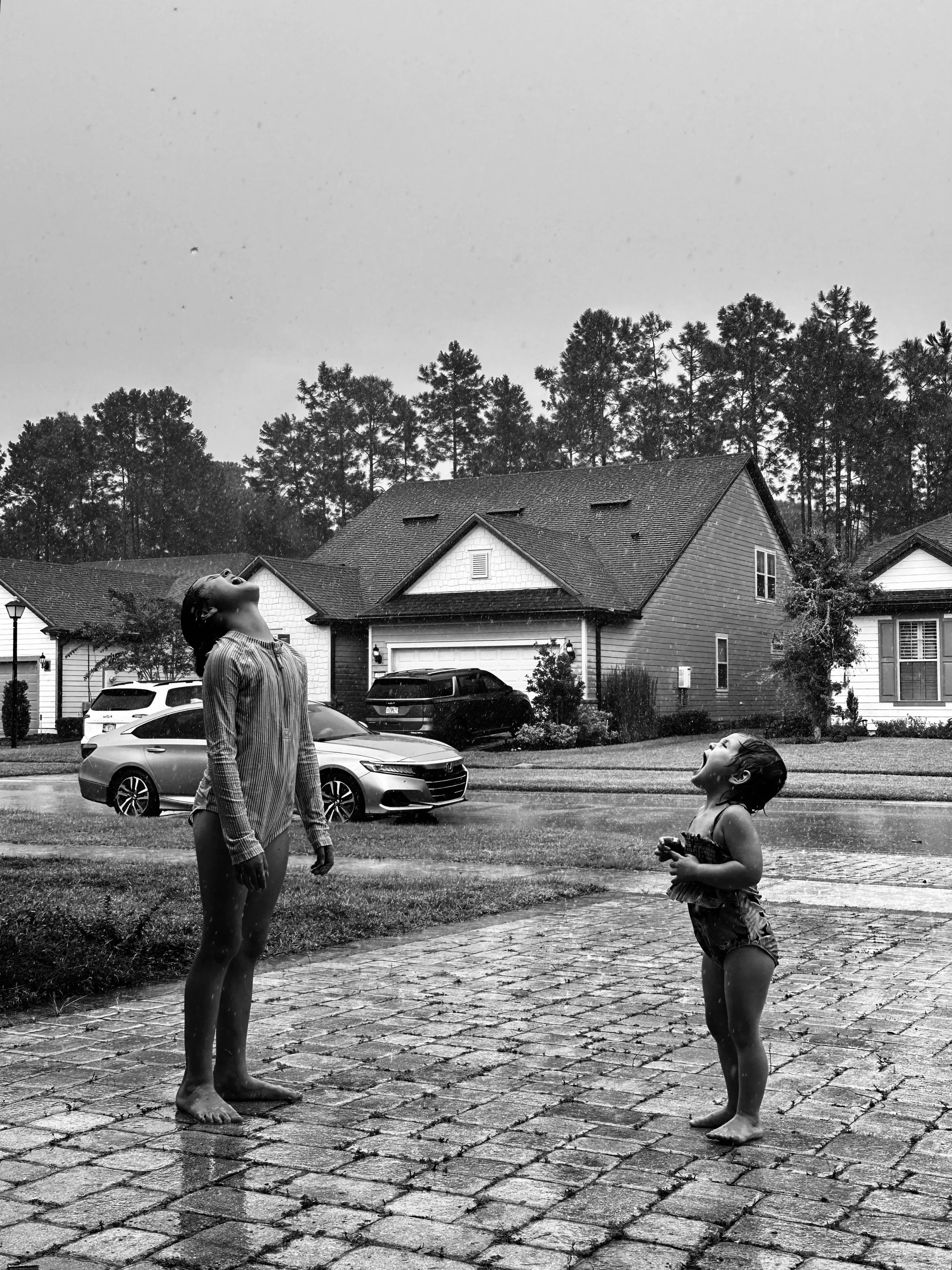
As our children grow into bigger, taller, and considerably more talkative humans, Nick and I find ourselves thinking about the next decade. With our fifties on the horizon, we're considering what we want our days to look like and how we hope to spend our time.
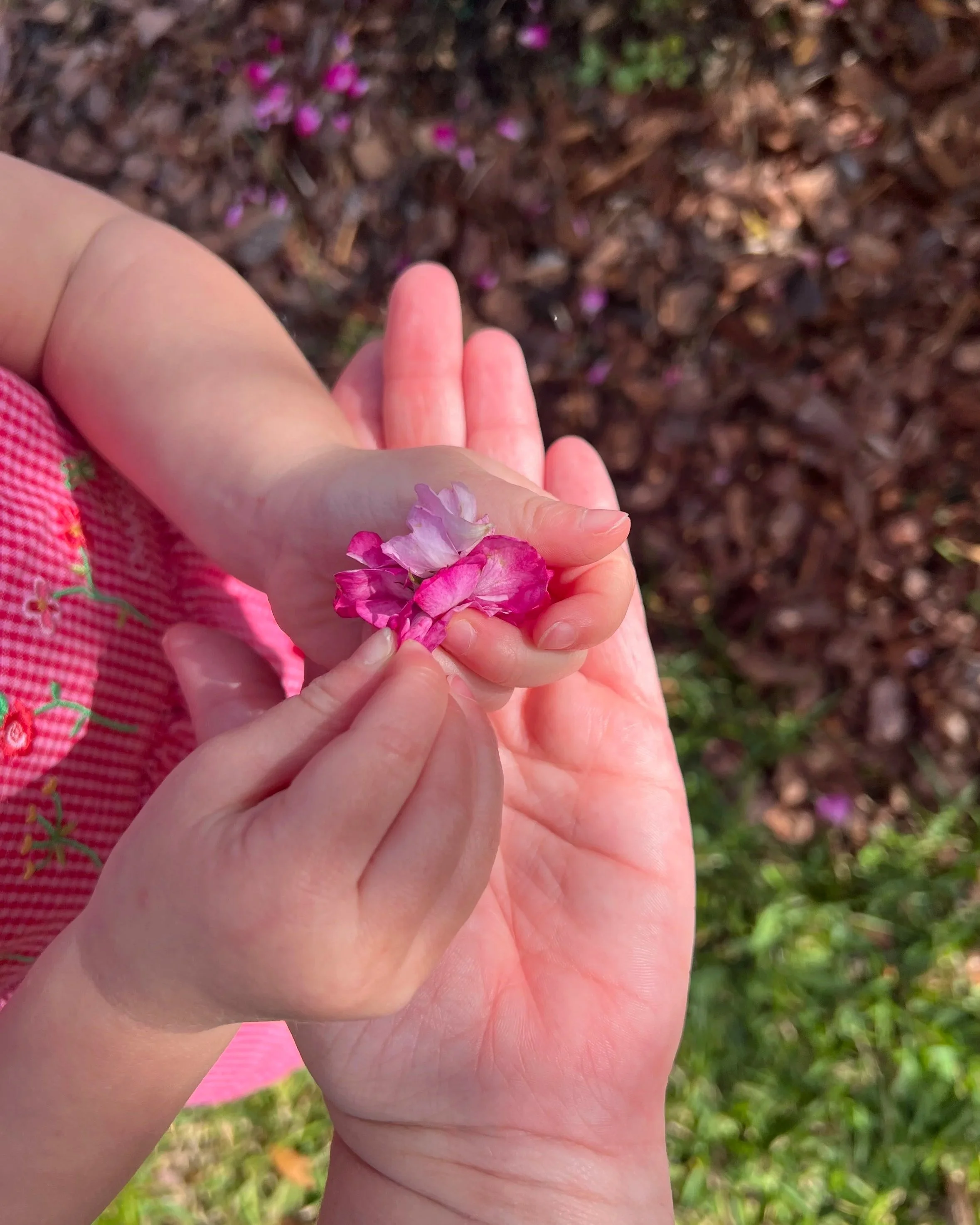
We're so happy with and proud of the gardens and landscapes we've created over the years from modest residential projects to expansive installations. We're equally grateful to everyone who has trusted us with their homes. As we look ahead, however, we're excited to shift our focus toward smaller projects. We want to spend more time refreshing existing garden beds and replacing struggling plants with beautiful, Florida-friendly alternatives. We want to help our neighbors introduce native plants and pollinator flowers into their yards without feeling obligated to undertake an enormous landscaping project.
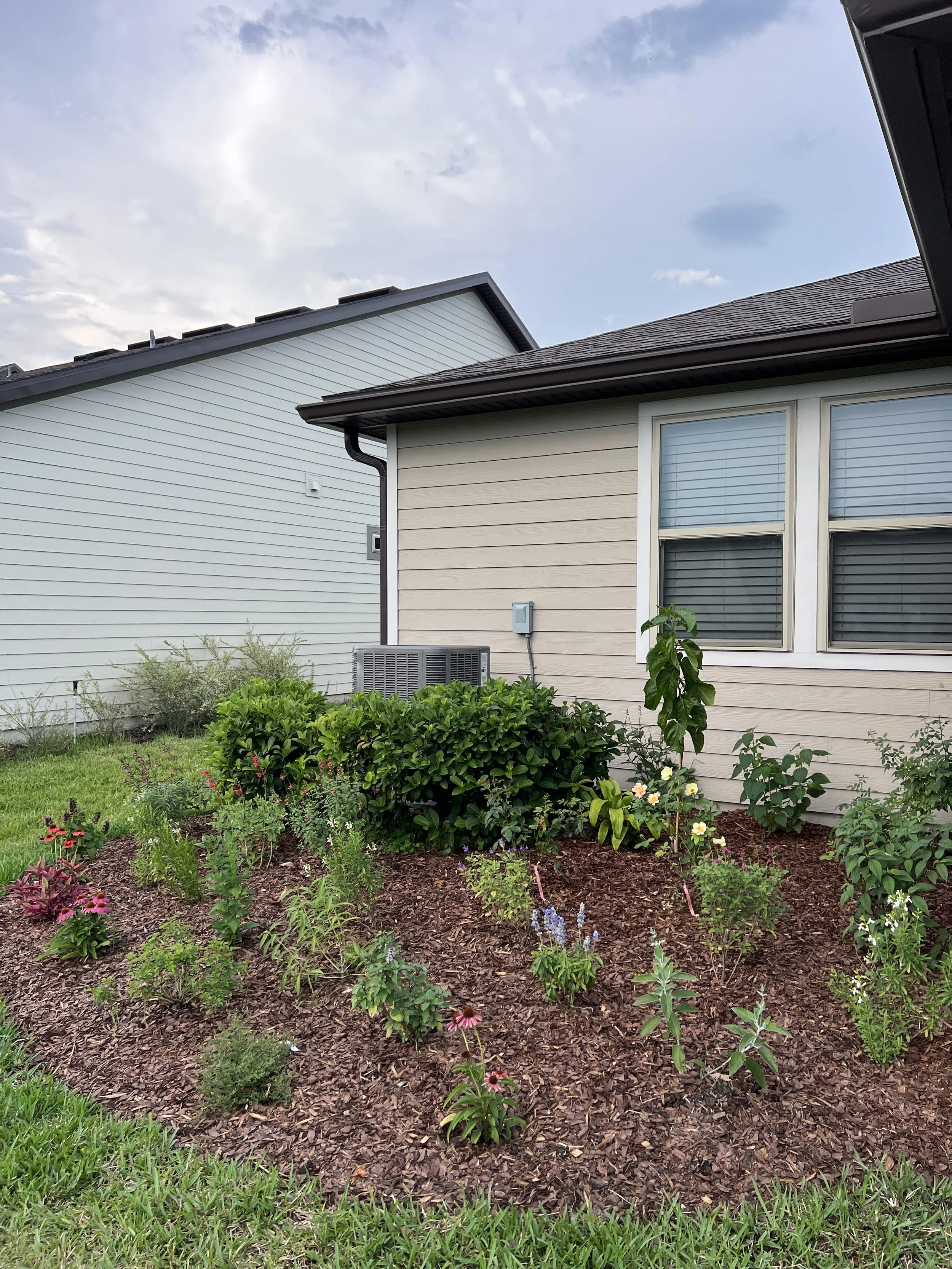
We're also looking forward to making education a more regular part of Bluebird Growers. Nick has an incredible depth of horticultural knowledge, and we'd love to create more opportunities for him to share it. We're planning accessible gardening workshops hosted in people's own backyards, where friends and neighbors can gather to learn in a relaxed setting. We envision casual conversations about gardening, practical demonstrations, and plenty of opportunities to ask questions. Our hope is that people leave feeling more confident about caring for their own landscapes and perhaps inspired to share what they've learned with a neighbor.
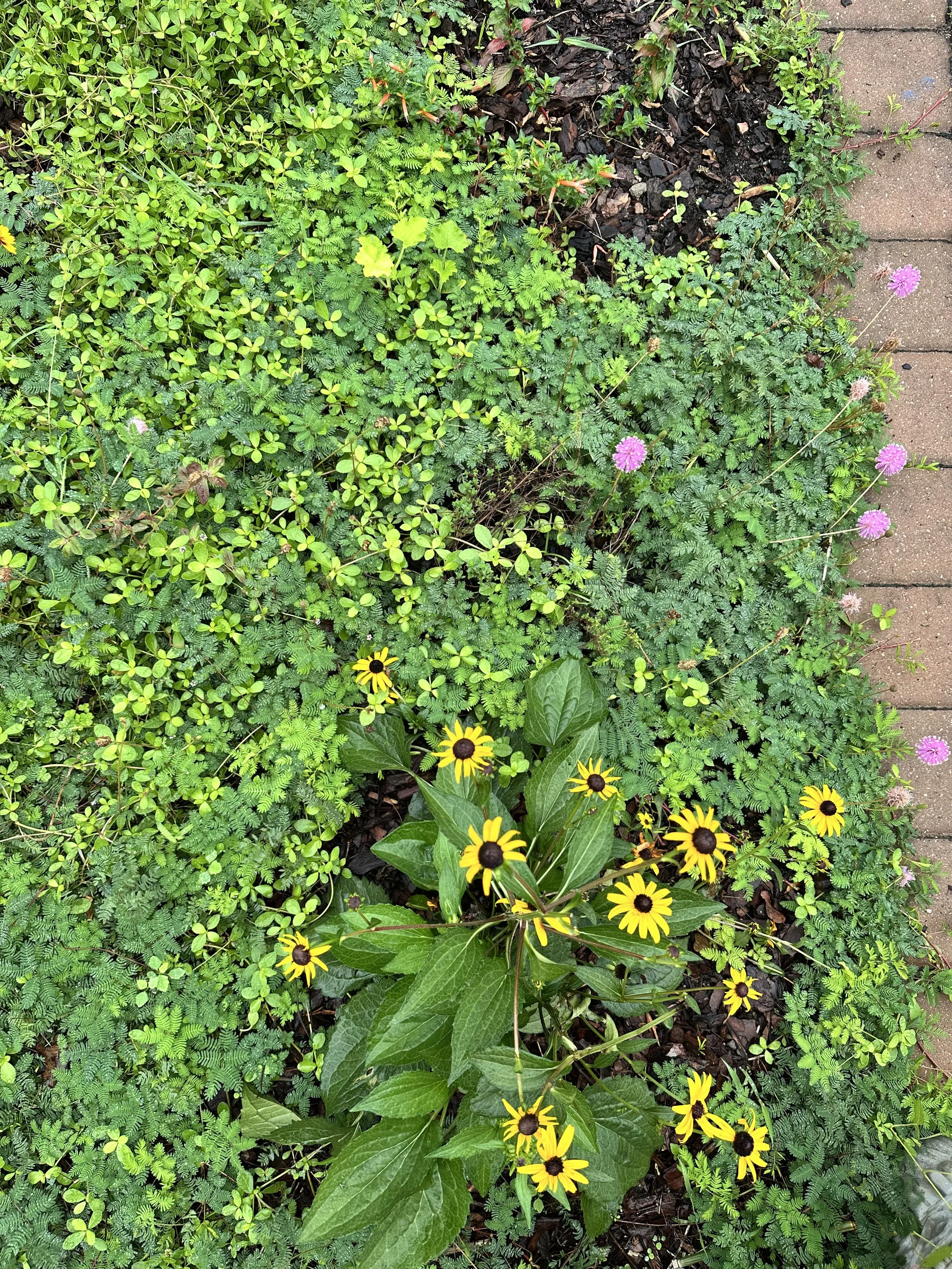
In 2027, we also hope to return to where we all began: farmers markets! We'd love to bring a selection of native and pollinator plants, along with fine art prints and a few thoughtfully made pieces of merchandise celebrating our philosophy: Small, Good Gardens. Returning to farmers markets feels especially meaningful because that's where our story together began. Ten years ago, I wandered into the Murray Hill Farmers Market and met a man selling Venus flytraps. I certainly couldn't have imagined the life we would build together or the many gardens that would come along with it. We're hoping to embrace a more grassroots approach to growing Bluebird. We'd like to spend more time meeting people in our community and building relationships with neighbors who share our enthusiasm for the natural world. There is something appealing about a business that grows through conversations at farmers markets, backyard gatherings, and recommendations between friends. We have no idea exactly what the next ten years will bring. If our history is any indication, there will probably be a few unexpected turns along the way. But we're looking forward to finding out.